























The Feed Tile Is the First Ad
A field note from running our own Google Shopping feed: the product tile does the selling before your shop ever gets the click.

Before a customer sees your product page, your hero image, or your brand story, they see a tile: one image, a title, a price, a shop name, packed in a grid of near-identical competitors. That tile is your first ad — and for most jewelry shops it is designed by accident, assembled by a feed plugin from leftover data.
This is a field note from operating our own shop’s Google Shopping feed.
What the tile is actually made of
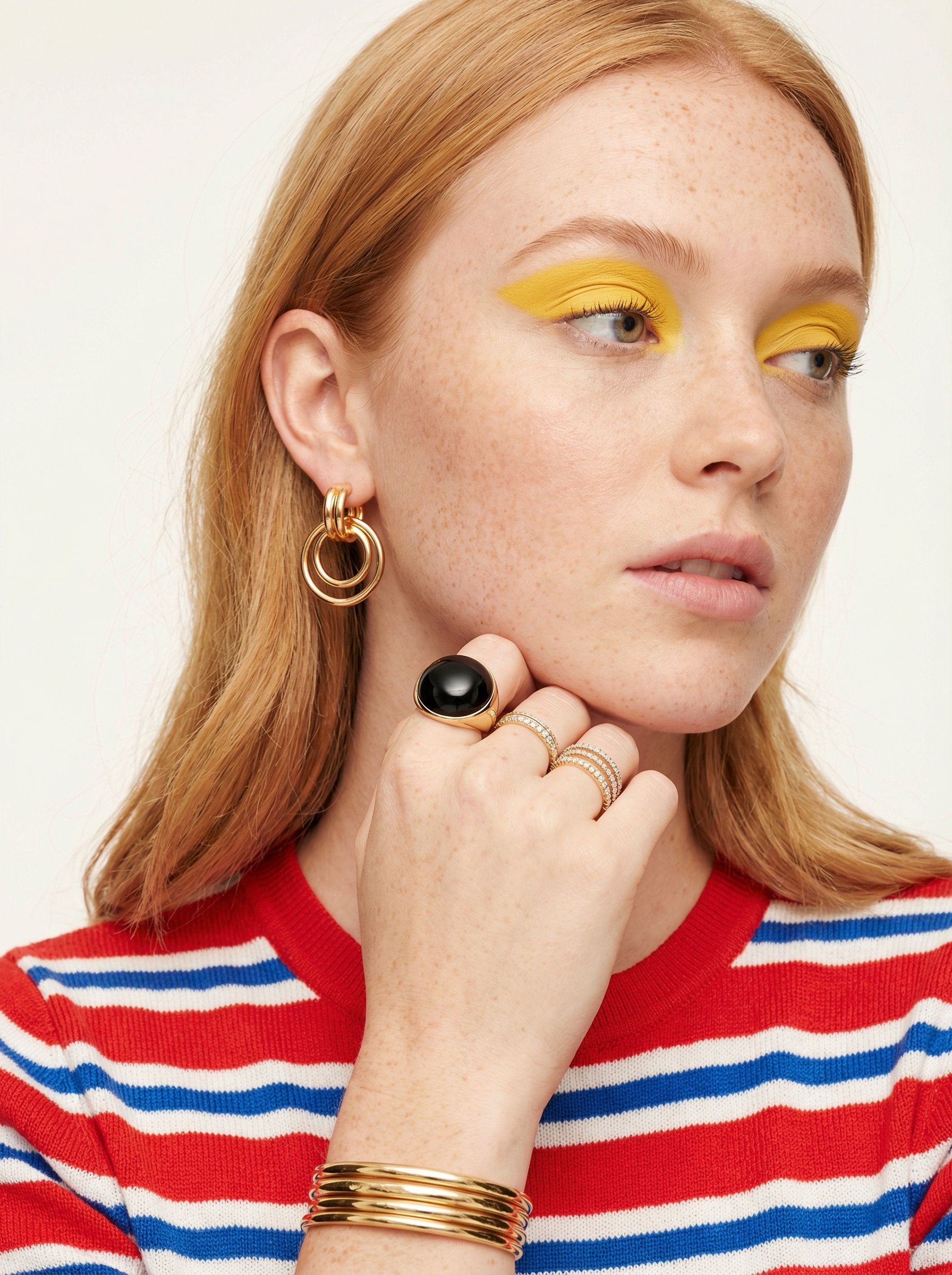
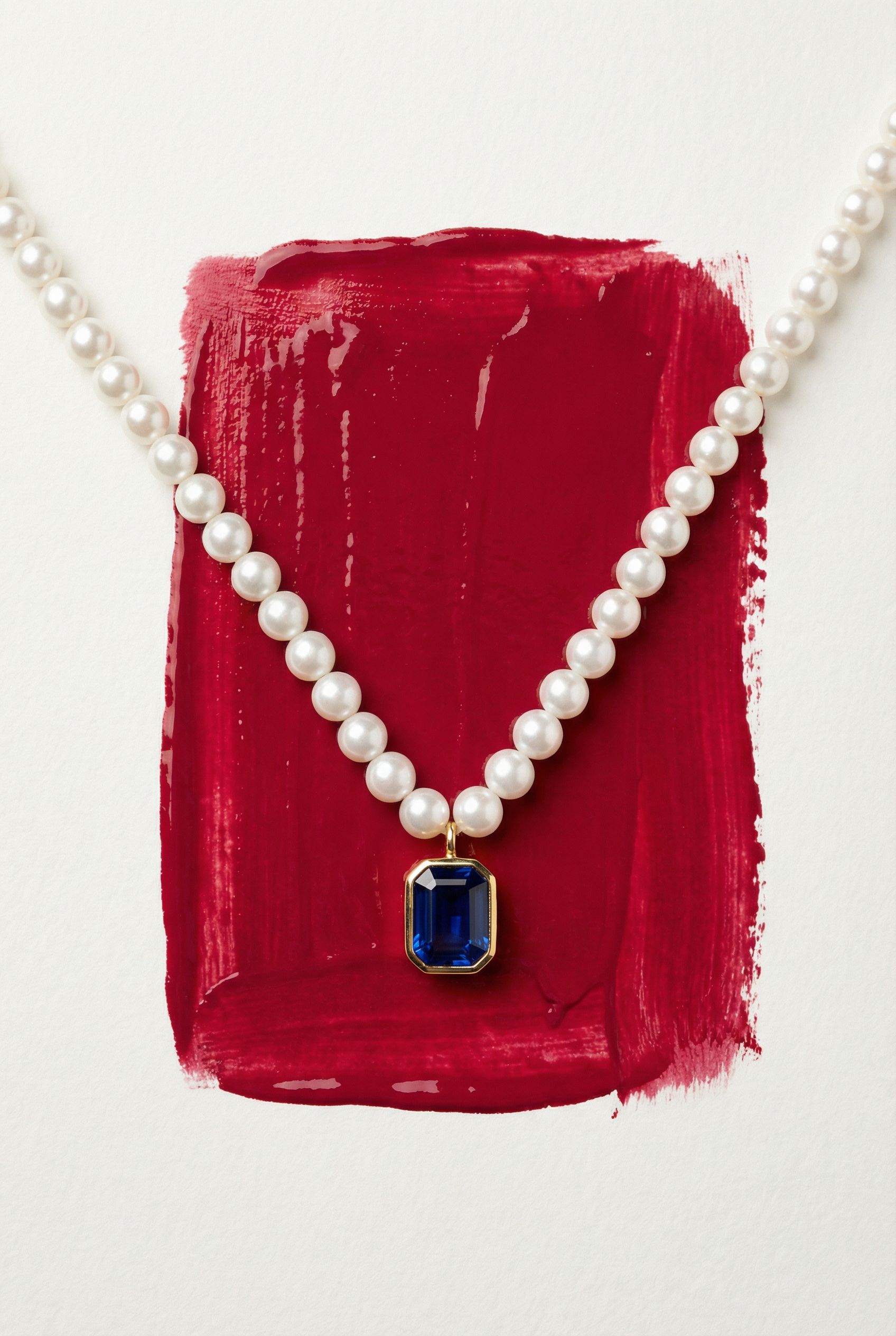
- The image. Shopping surfaces overwhelmingly reward clean product-on-light-background shots at tile size — a 60-pixel thumbnail of a moody editorial photo reads as a dark smudge. The taxonomy logic applies: this is packshot territory, even if your Instagram is editorial.
- The title. Written for a shelf, not a poem: material, product type, key attribute, size — the words buyers type. “Baguette 14k Gold Clicker 8 mm” beats a lyrical collection name in both matching and click-through, because the title is the query answer.
- The price. The tile puts you in a price lineup whether you like it or not. A plated piece and a solid-gold piece look identical at thumbnail size; the price is the only signal separating “suspiciously cheap” from “fair for gold.” Identifiers and material data in the feed keep you in the right comparison set.
- The data behind it. GTINs, material attributes, availability, correct categorization. Invisible on the tile, decisive for which auctions the tile enters.
What we saw operating our own feed
The compounding effect is the real lesson: a title rewritten toward query language, a packshot swapped in for a stylized shot, correct material attributes — each individually small, together deciding whether the tile enters the right auctions and survives the price lineup. Feed work is unglamorous, but it is ad work; every listing improvement applies to every future impression at zero marginal cost.
One honest boundary: which exact tweak moves click-through by how much varies with catalog, price tier and country — we treat published “feed hack” percentages (including any we could quote) as directional, and test on the shop’s own data.
The operating rule
Treat the feed as a creative surface with a deploy pipeline, not a database export. Every product gets: a tile-legible packshot, a query-language title, complete material data, and a price it can defend in the lineup. Then — and only then — paid Shopping campaigns have something worth amplifying.
Where this leads
This is the thinking behind our Systems work. If you want it applied to your shop, start where we start: the Jewelry Commerce Diagnostic is free — we analyze your shop, brand and market, and tell you what to fix first, in plain language.
Work with StudioFormel