


























The Route From a Turkish Workshop to a European Customer
Turkey manufactures world-class jewelry that mostly sells as anonymous wholesale. The route to selling it directly to European customers — decisions, sequence, and honest hard parts.
Turkish workshops produce jewelry that sits in European boutiques at four to eight times the workshop price — under someone else’s name. The margin between those two numbers is the reason every ambitious manufacturer eventually asks the same question: why not sell to the European customer directly?
The route exists. It is longer than a Shopify signup and shorter than building a brand from zero. This is the map we use.
Stage 1 — Decide what you are selling
Direct-to-consumer is a different business than wholesale, not an extension of it. The first decision is the brand: your workshop name, a new consumer brand, or white-label for someone else’s D2C. This decision controls everything downstream — pricing power, content needs, and how much of the margin you actually capture.
Stage 2 — Make the products EU-sellable
- Compliance: hallmarking and precious-metal declarations per target country, nickel-release limits under EU REACH, and honest material data per SKU.
- Product data: weights, sizes, alloys, stone specs — the boring table that feeds every listing, ad and customs form later.
- Assortment cut: the wholesale catalog is too wide for a launch. A D2C entry works from a focused set that photographs and explains well.
Stage 3 — Choose the commercial doorway
Three realistic entries, in ascending ownership: marketplaces (Etsy and category platforms — fast, fee-heavy, learn-fast), your own shop (full margin, full responsibility), or hybrid — marketplace for cashflow while the own shop is built. We favor the hybrid for most manufacturers: it produces real customer data before the big brand decisions are locked.
Stage 4 — Solve the physical route
Shipping from Turkey to EU customers means customs paperwork per parcel, duties/VAT handling (IOSS registration for consumer parcels), returns that cross a customs border twice, and delivery expectations set by Amazon. The workable patterns: consolidated shipping to an EU fulfillment point, or direct-from-workshop with airtight declared data from Stage 2. Cost the returns path before launch — it is where cross-border D2C margins quietly die.
Stage 5 — Sell like a brand, not a factory
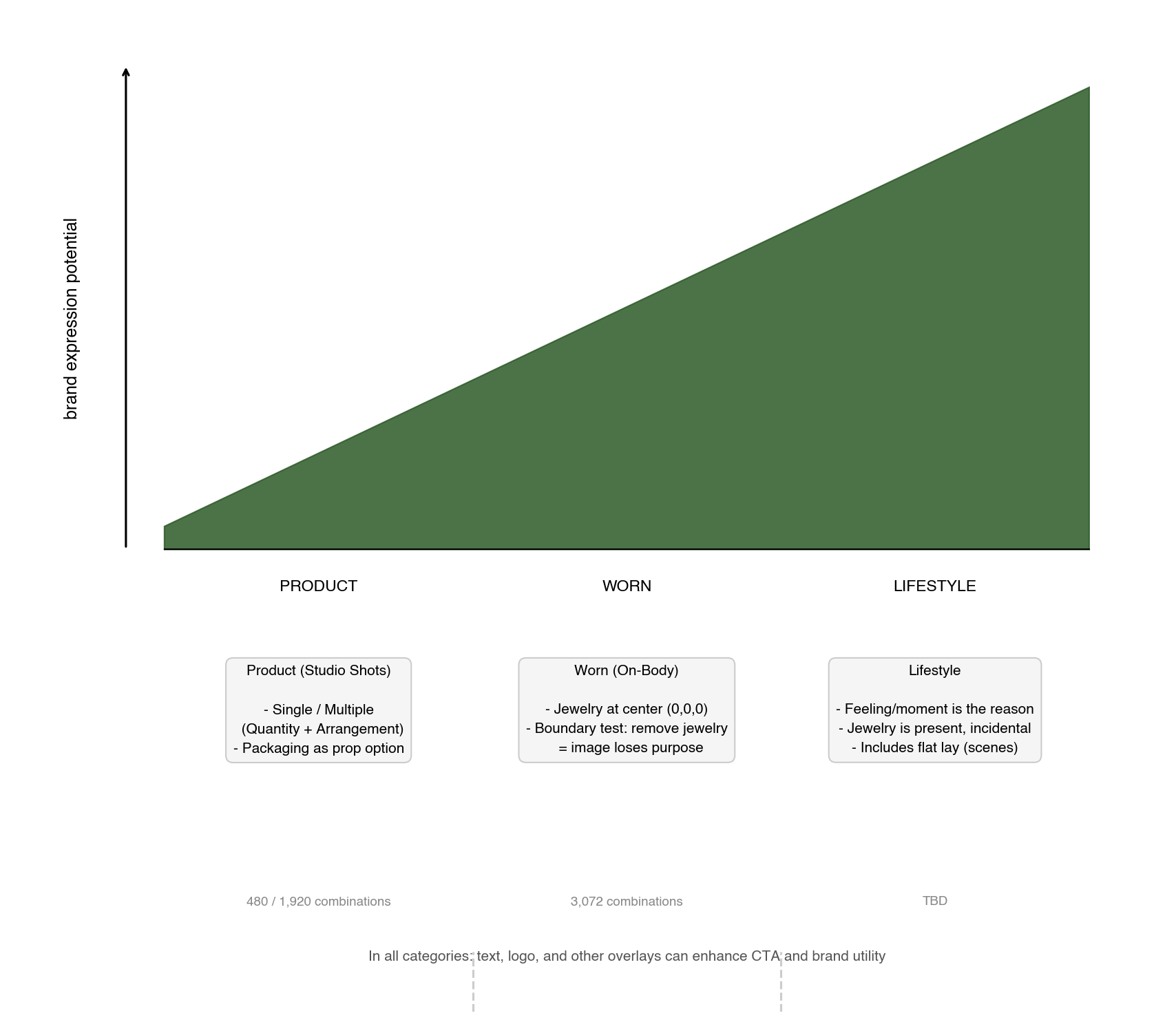
The workshop’s advantage — real craft, real price room — only converts if the storefront looks like a brand: the five-shot media coverage, sized-and-material-honest product pages, and one proven acquisition channel (one, not five).
The honest hard part
None of these stages is exotic. The failure mode is sequence — shops that run ads (Stage 5) before product data (Stage 2) or returns logistics (Stage 4) exist. Direct-to-Europe is won by manufacturers who treat it as an operations project with a brand on top, not the reverse.
Where this leads
This is the thinking behind our Roadmap work. If you want it applied to your shop, start where we start: the Jewelry Commerce Diagnostic is free — we analyze your shop, brand and market, and tell you what to fix first, in plain language.
Work with StudioFormel