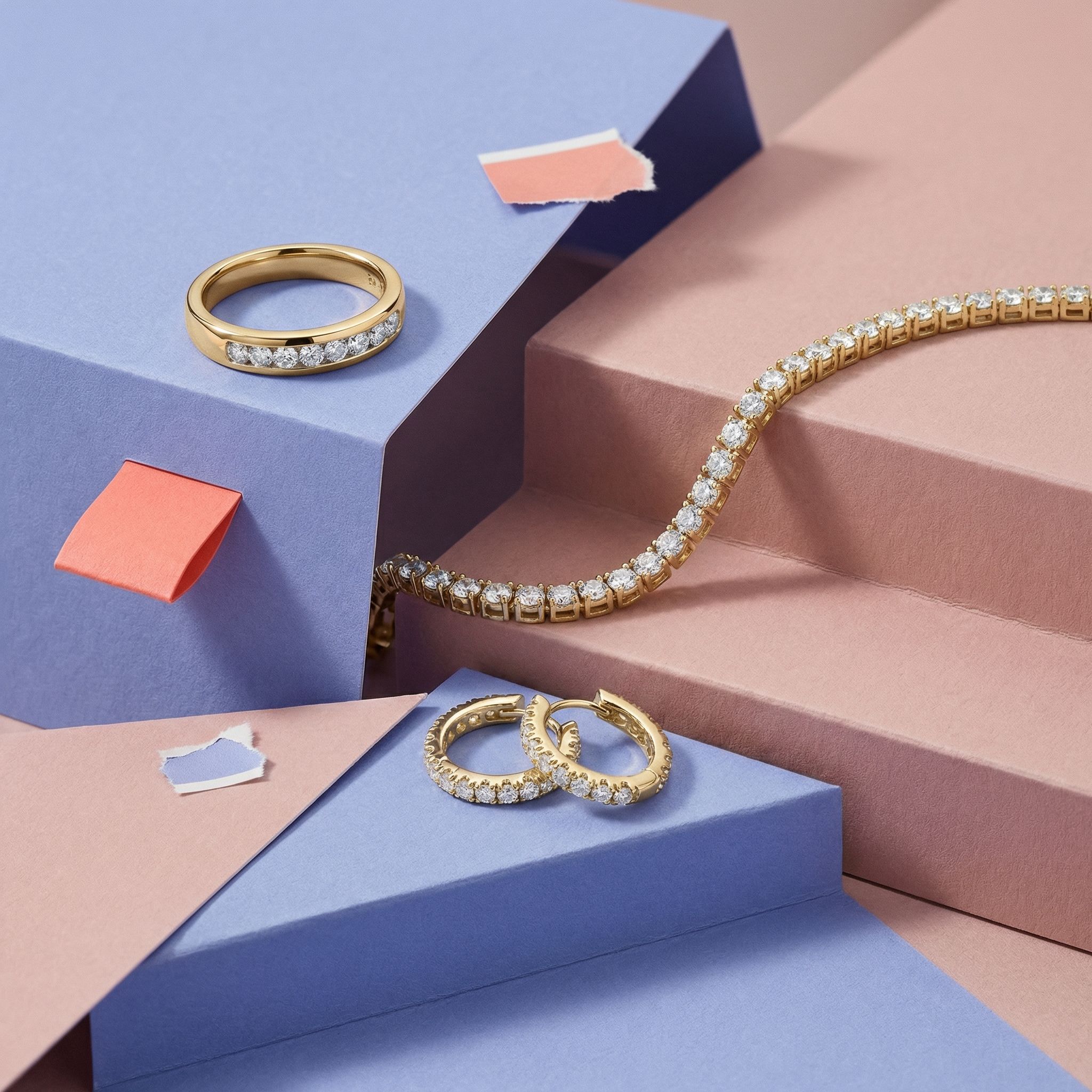
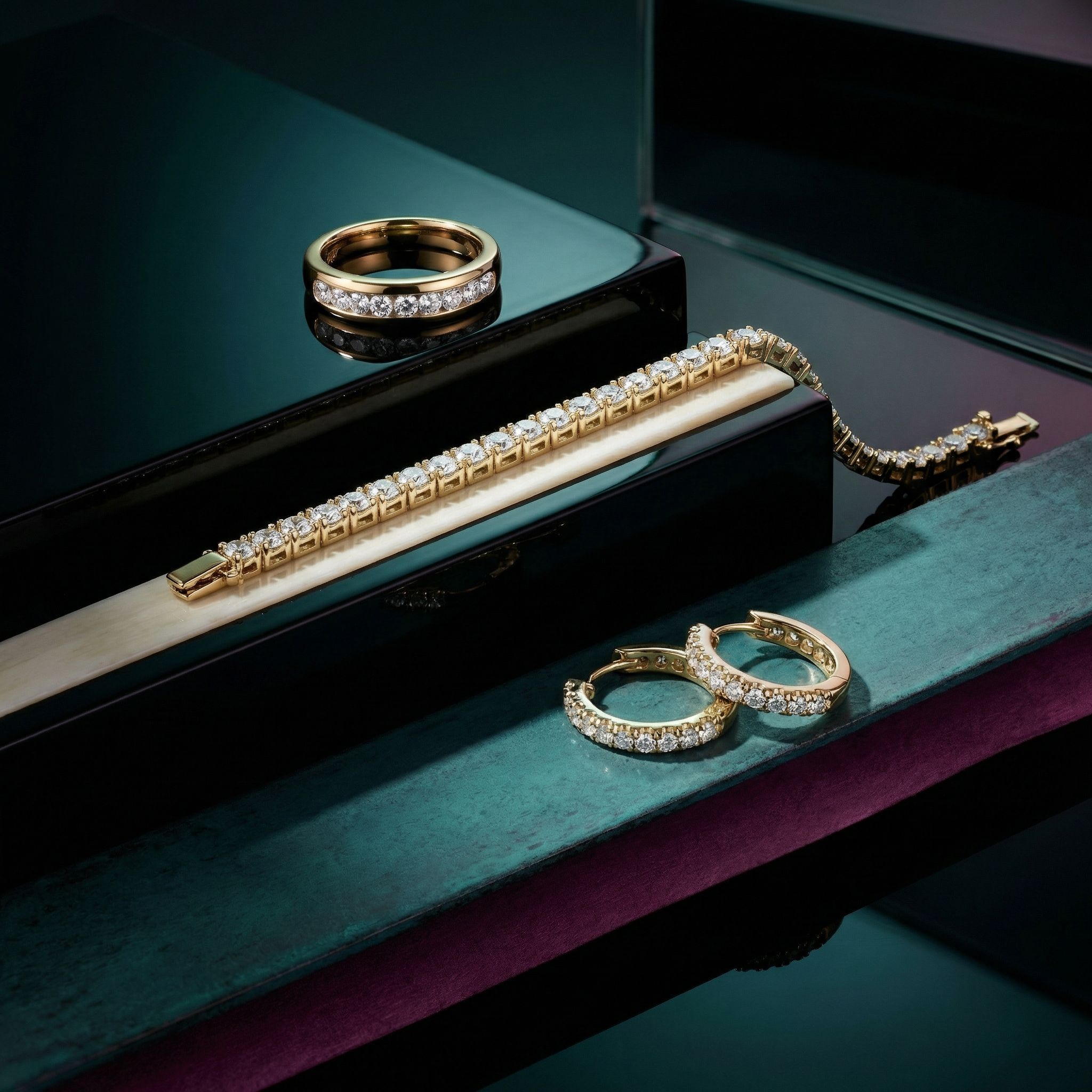
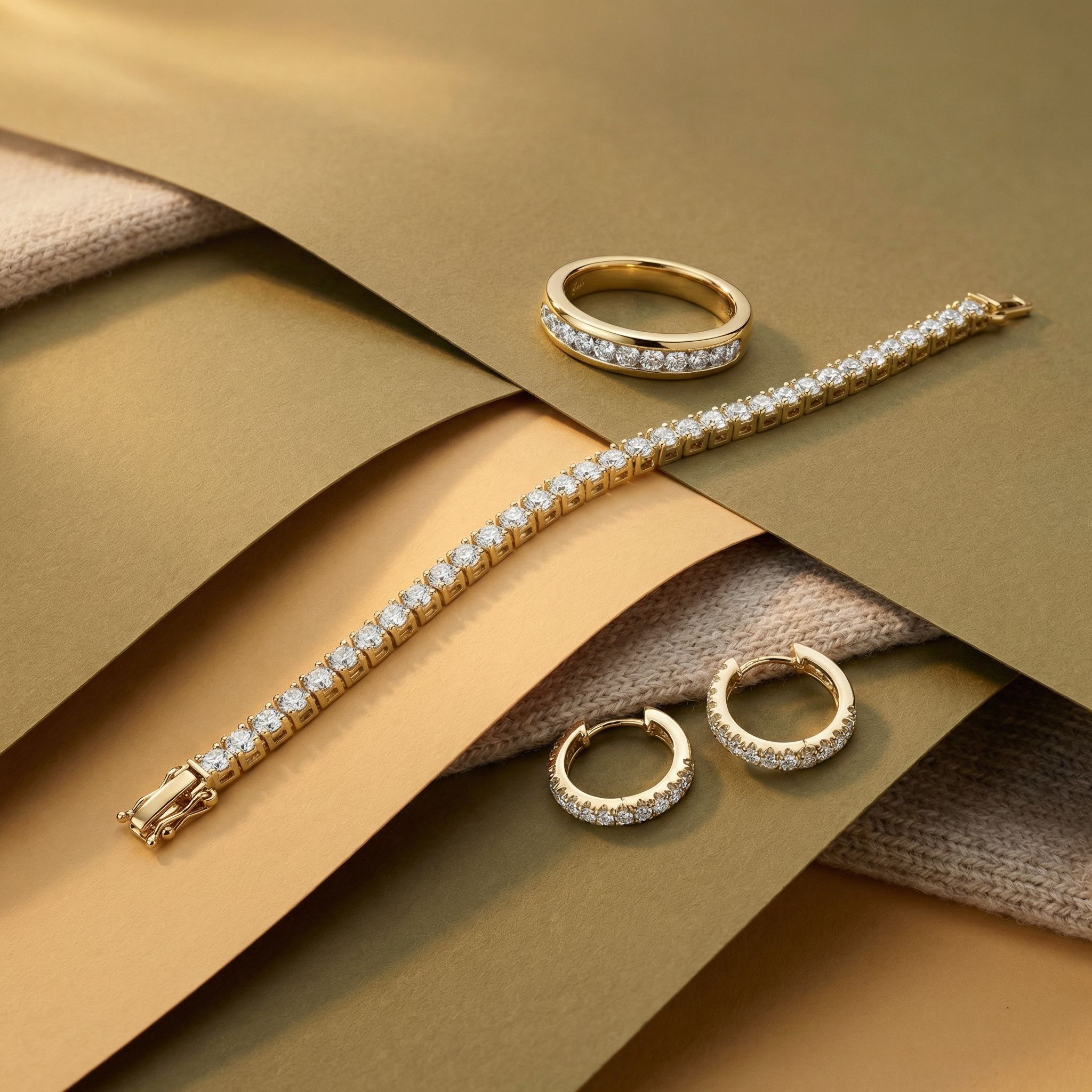
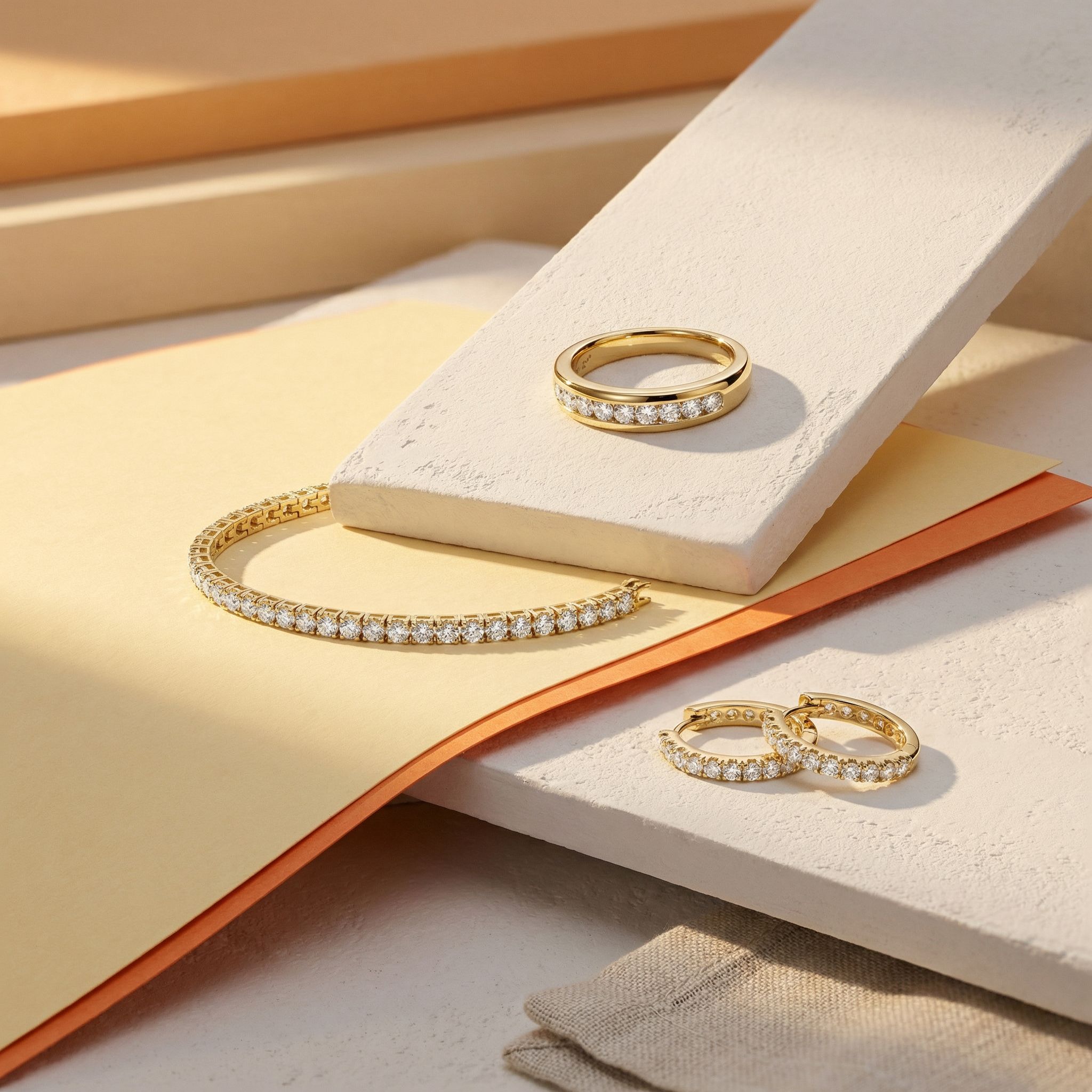
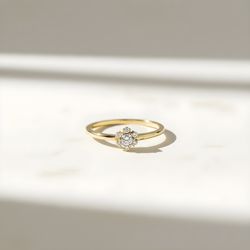
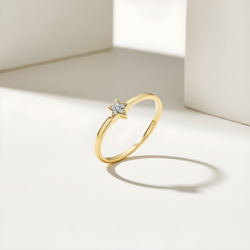

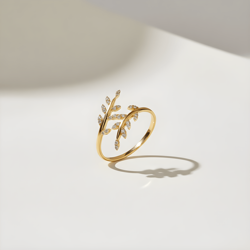





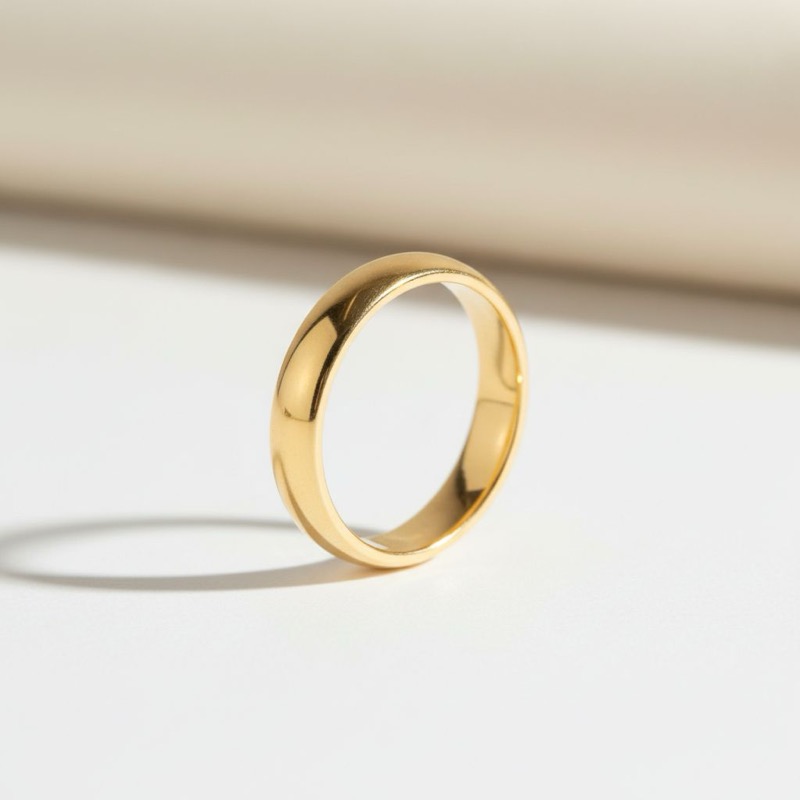
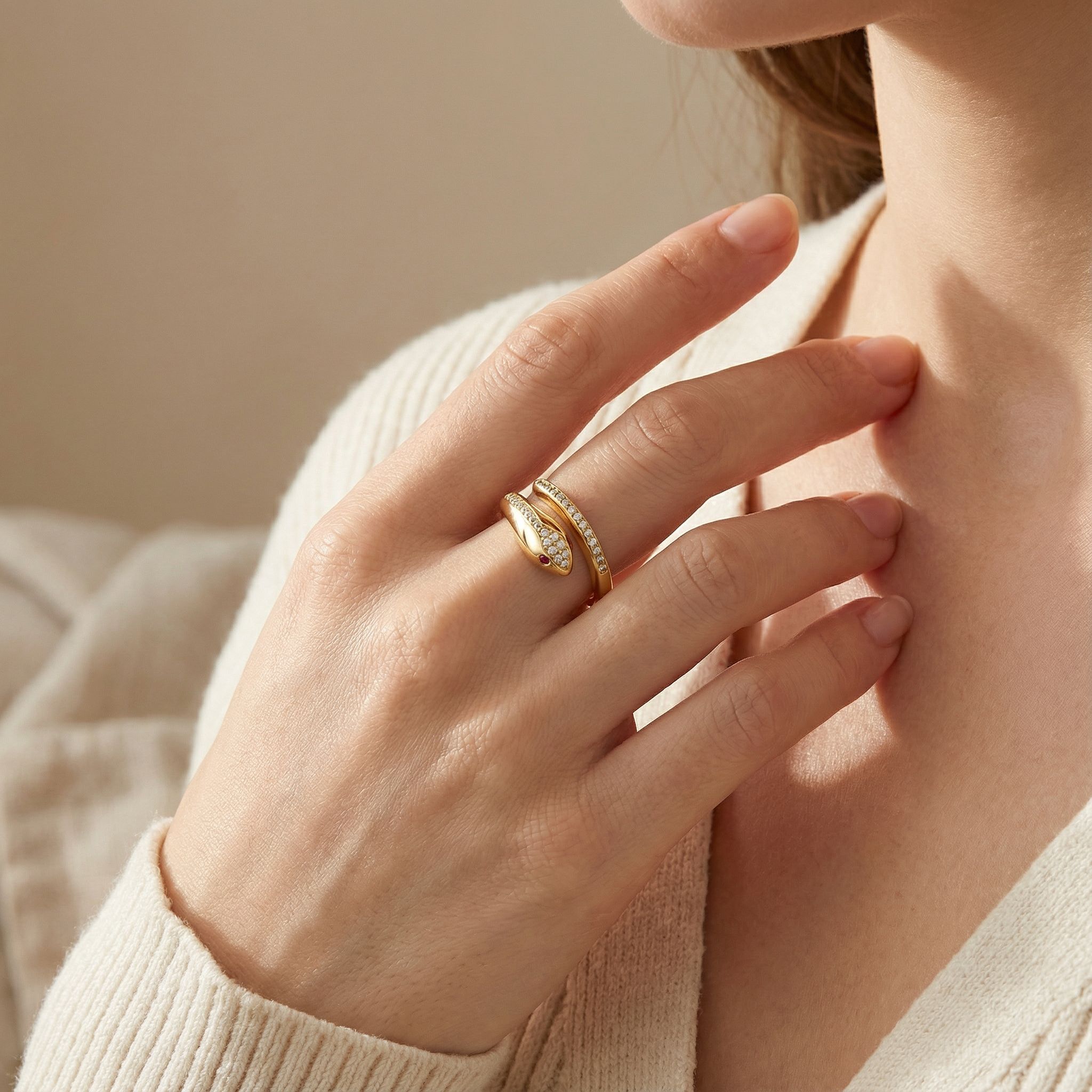
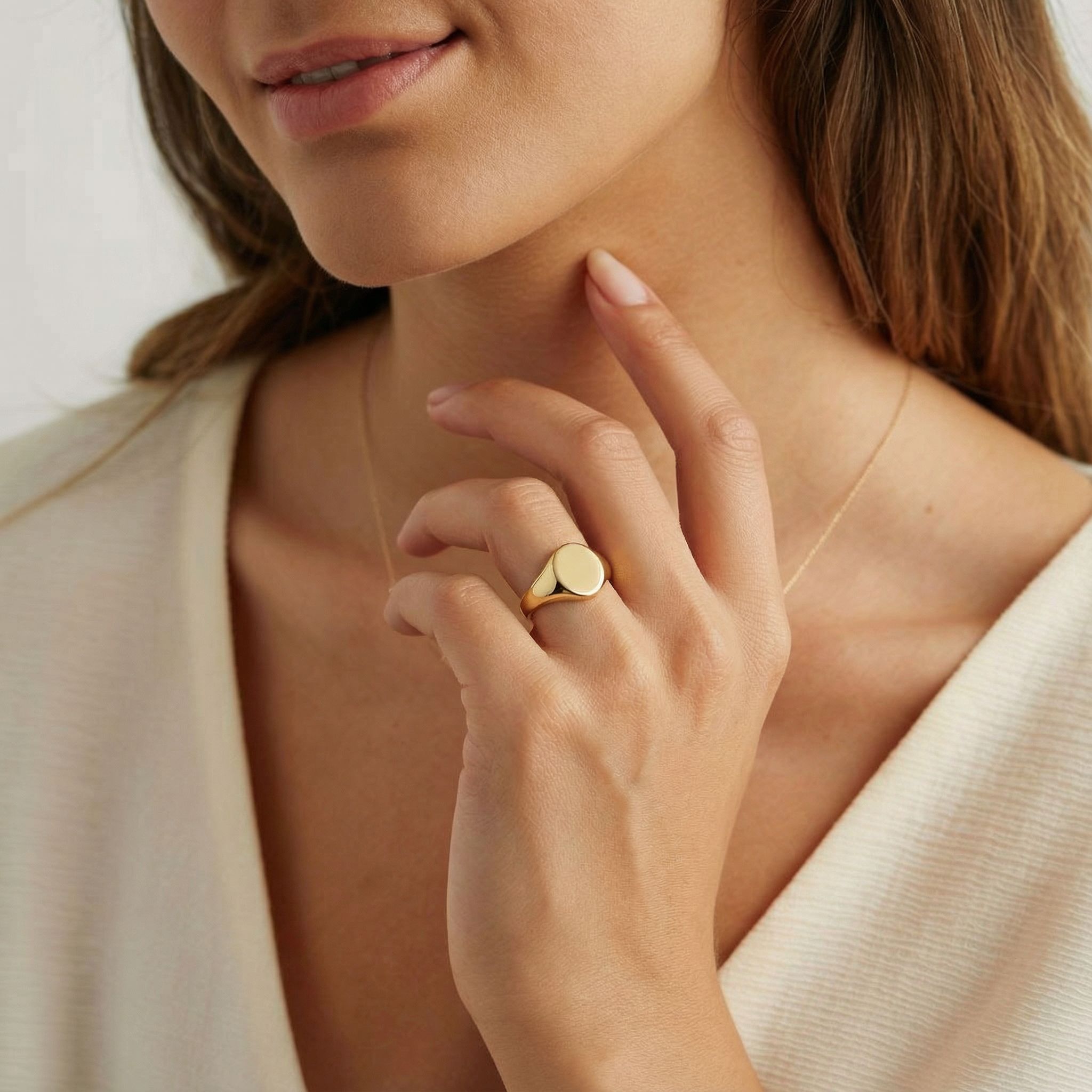
The 8 mm Septum Ring Method
A case anatomy: keeping an 8 mm gold clicker accurate through a full AI image production chain — placement guide, exact replacement, approvals, and the shots that made it to the shop.
Small jewelry is the hardest test for AI imagery. An 8 mm septum clicker occupies a fraction of the frame, sits on anatomy models get wrong, and lives or dies on details — the baguette stones, the hinge, the exact curve. If a method survives an 8 mm clicker, it survives most of a jewelry catalog.
This is the anatomy of how one of our own catalog pieces went through the Replace First, Compose Second chain, for our own live shop.
The piece
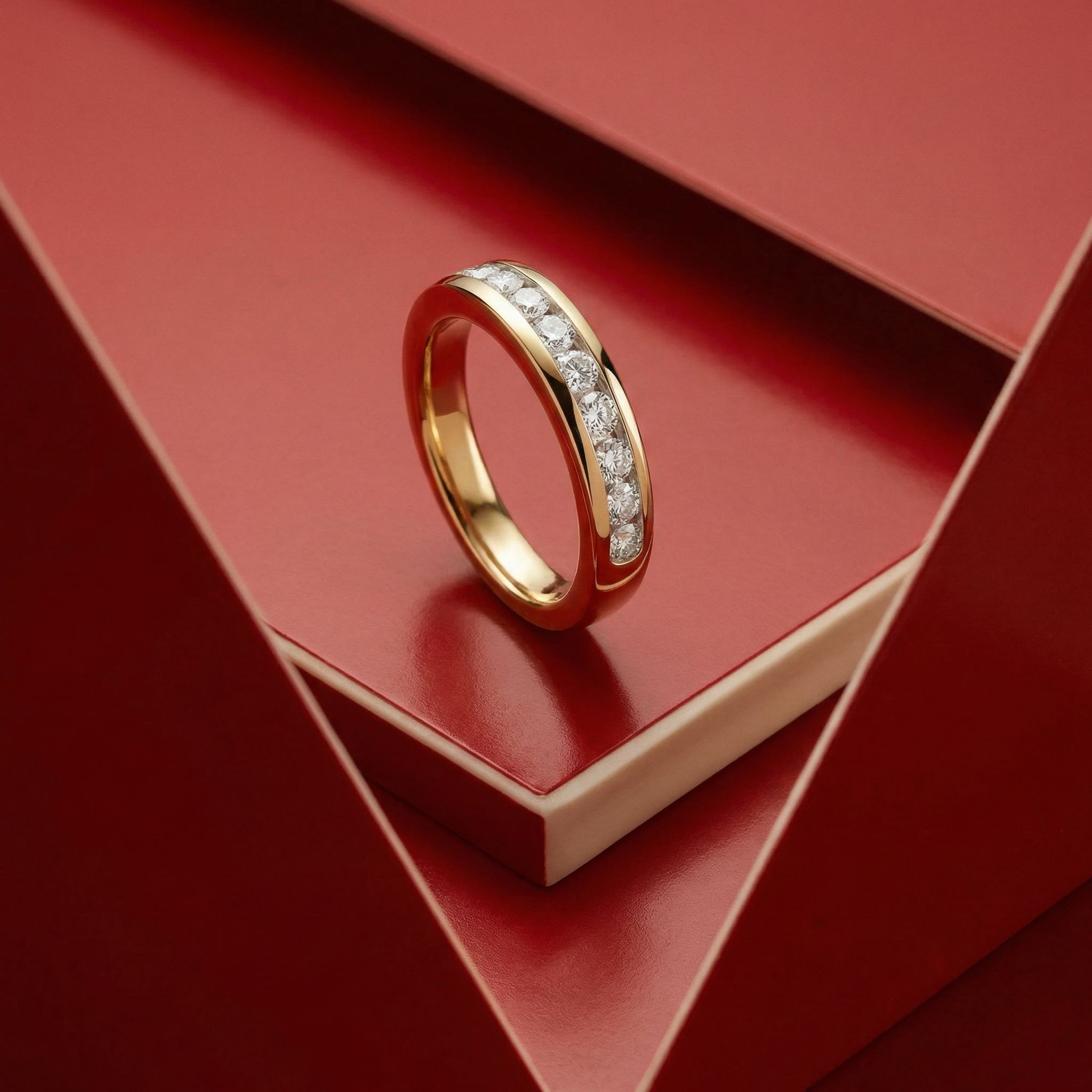
A 14k gold clicker with baguette-cut stones, 8 mm inner diameter, worn as a septum or ear piercing. Sold in our own store — which matters, because our images face real customers and real return costs, not a portfolio page.
What was prepared once
- Reference set: clean captures of the physical piece — profile, face-on, macro of the stone setting.
- Placement guide: an 8 mm piece sits differently than a 10 mm one; the guide fixes position, scale and perspective for septum and ear placements so no generation gets to improvise anatomy.
That preparation is the unglamorous half of the method, and the half that makes it repeatable: the second product through the chain reuses everything but the reference set.
The run
Base imagery first — the model, the light, the mood. Wrongness here is cheap; we iterate freely. Then the replacement pass binds the exact piece into the scene against the reference set. Then the checks:
- Fidelity: stone count, stone cut, hinge position, metal tone — against the references, side by side.
- Anatomy: placement matches the guide; scale believable for 8 mm, not “AI-jewelry big.”
- Wearability: the image must show the piece the way a buyer will experience it, not the way a renderer flatters it.
Not every iteration passed. Typical failures: stones re-cut into rounds, scale drifting upward frame by frame, the hinge migrating. Every failure died in the approval step — that is the point of having one.
What shipped
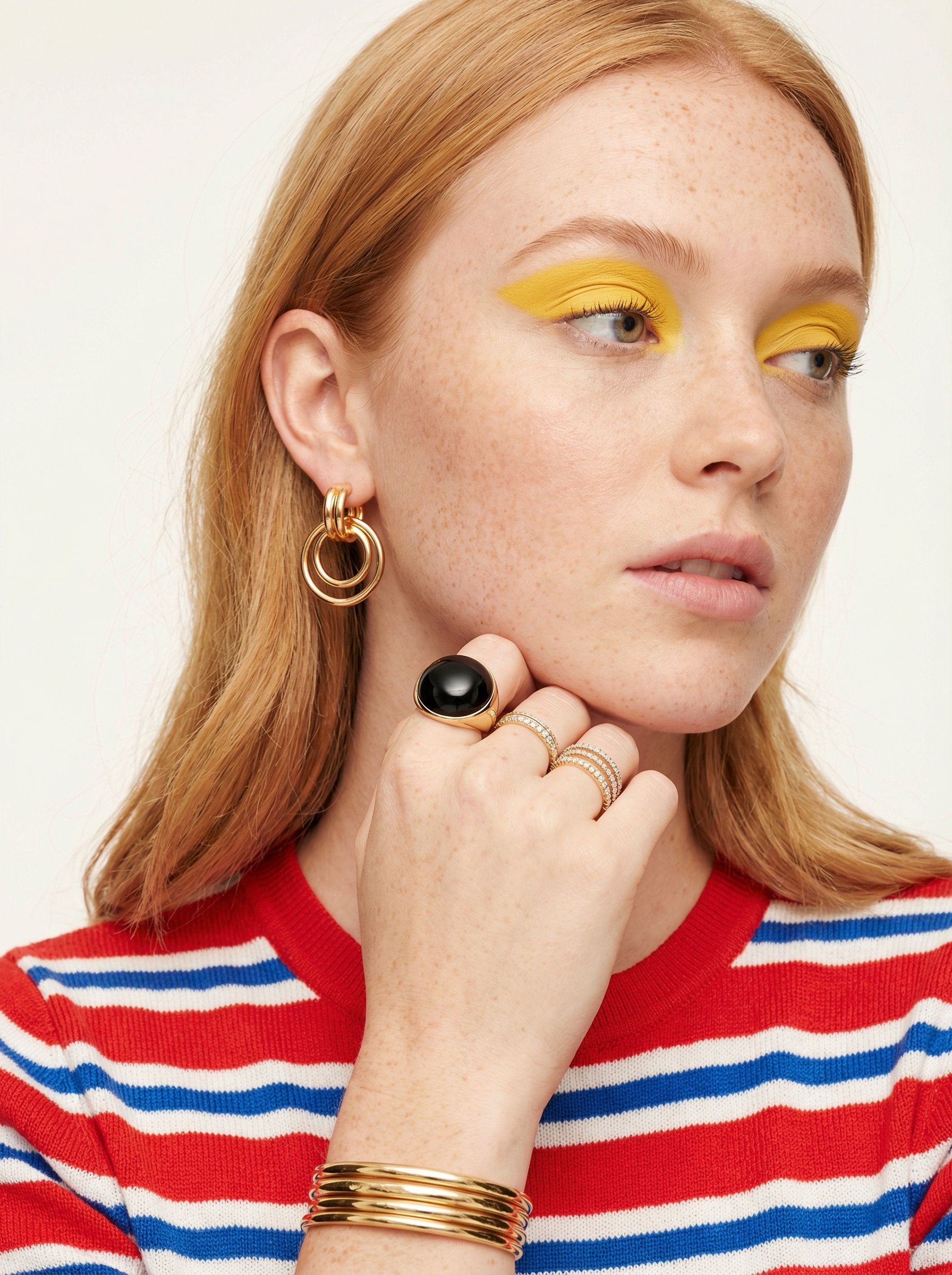
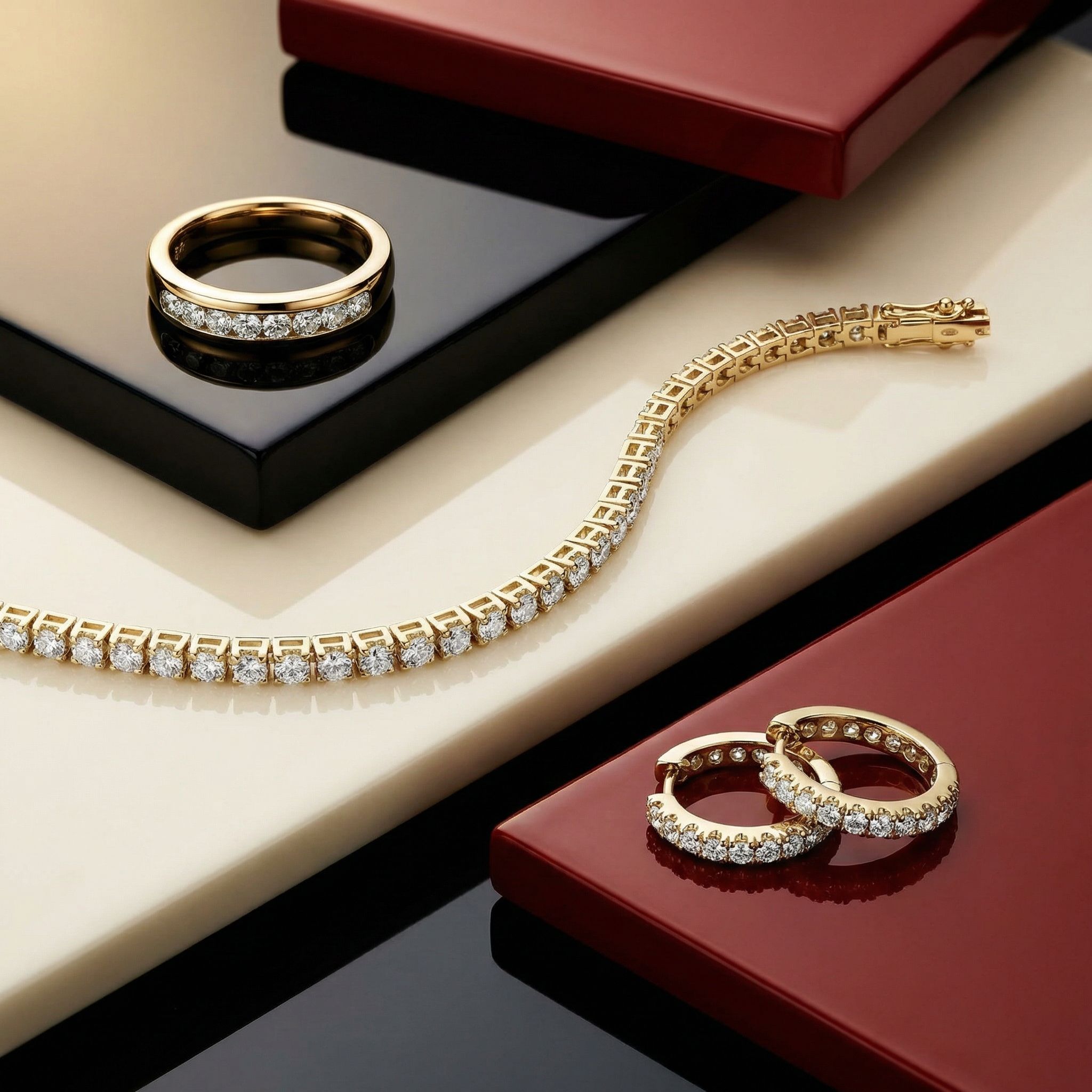
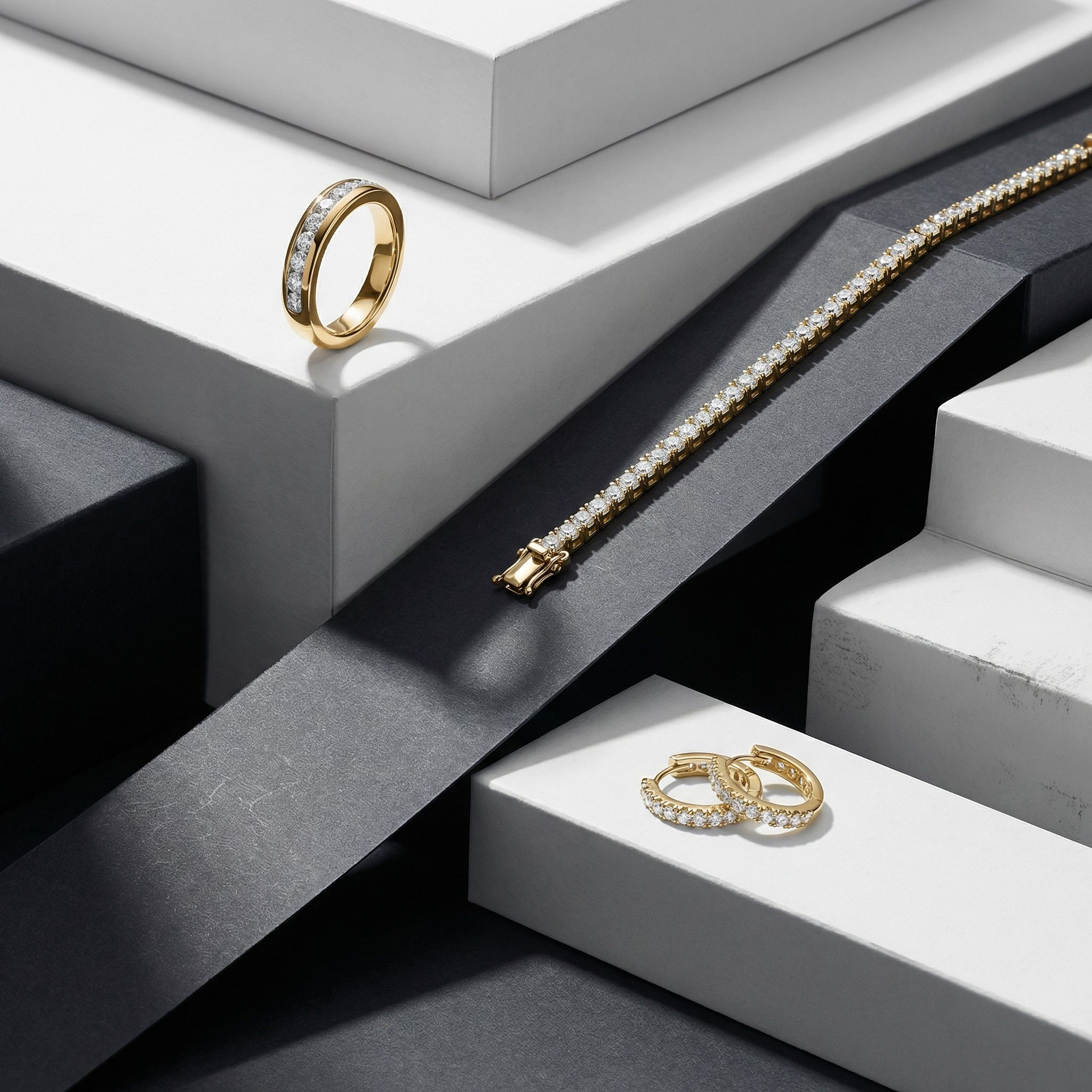
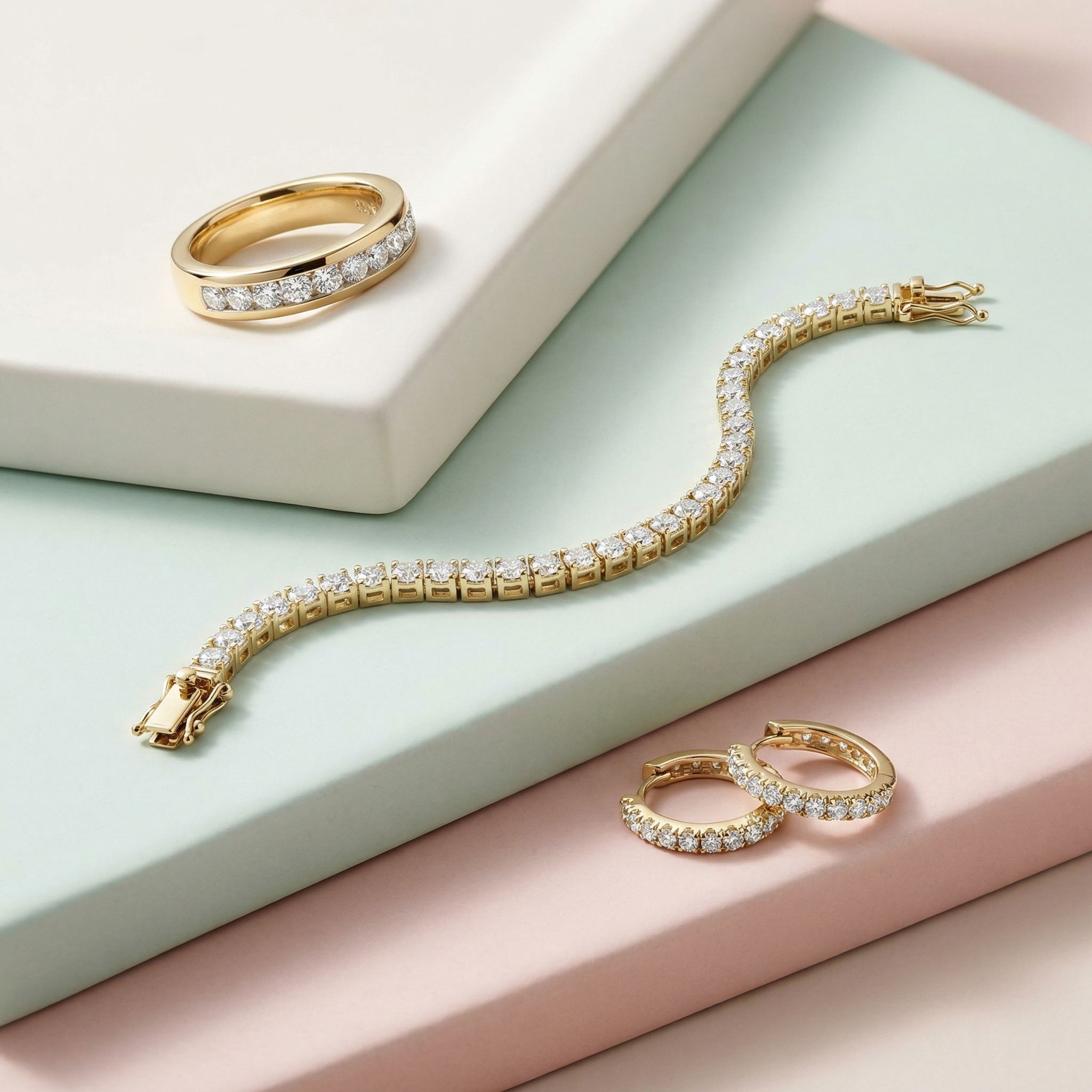
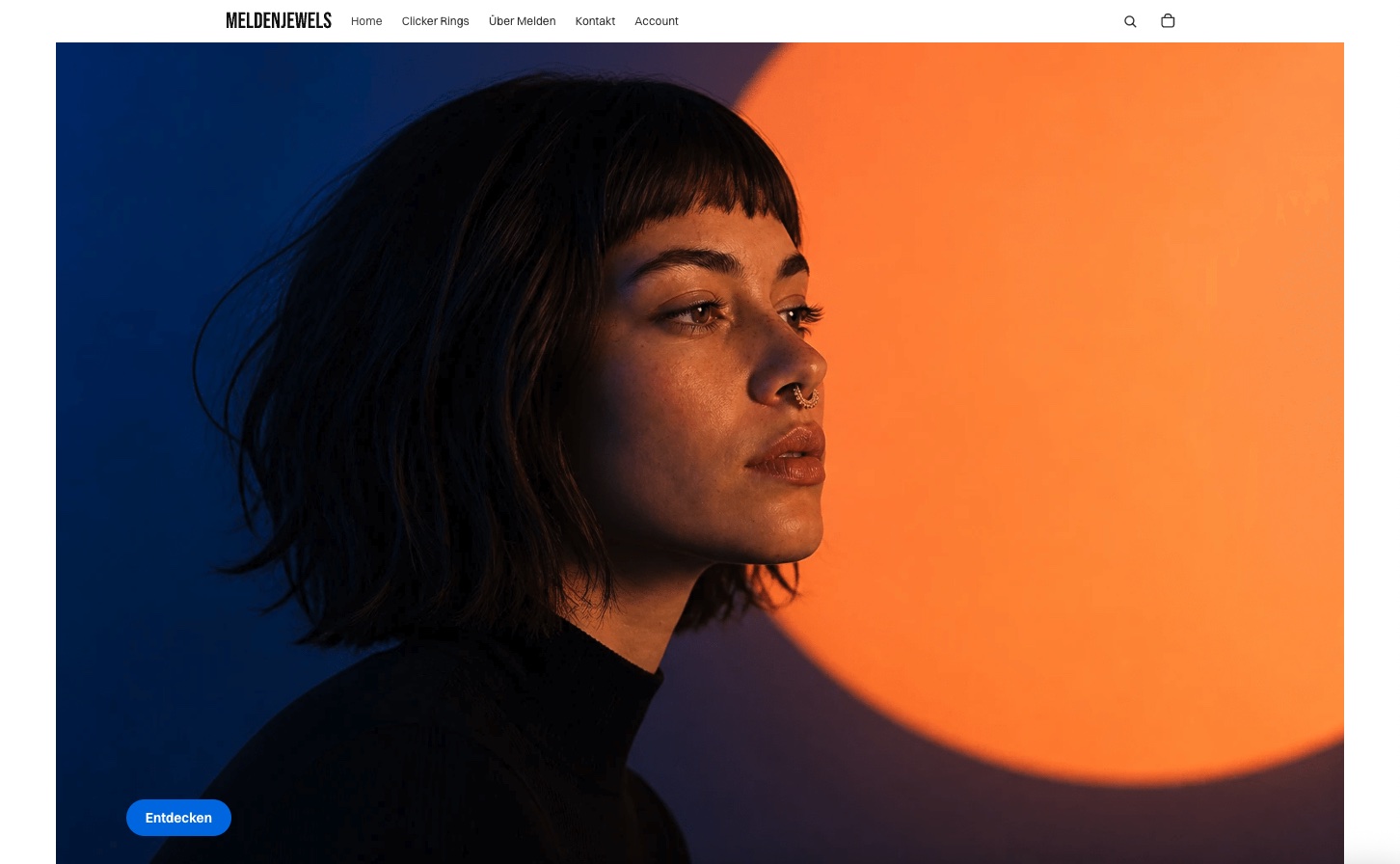
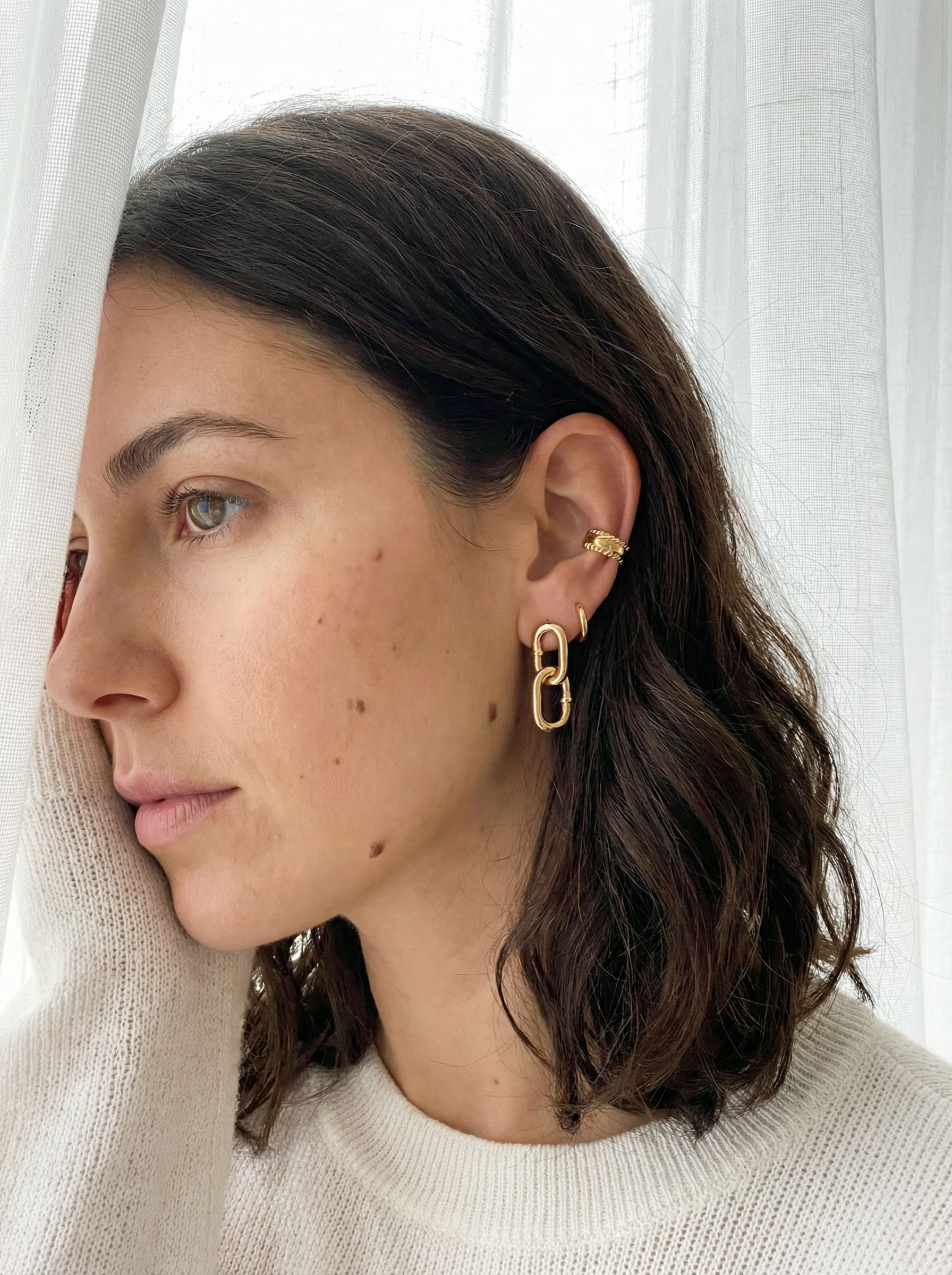
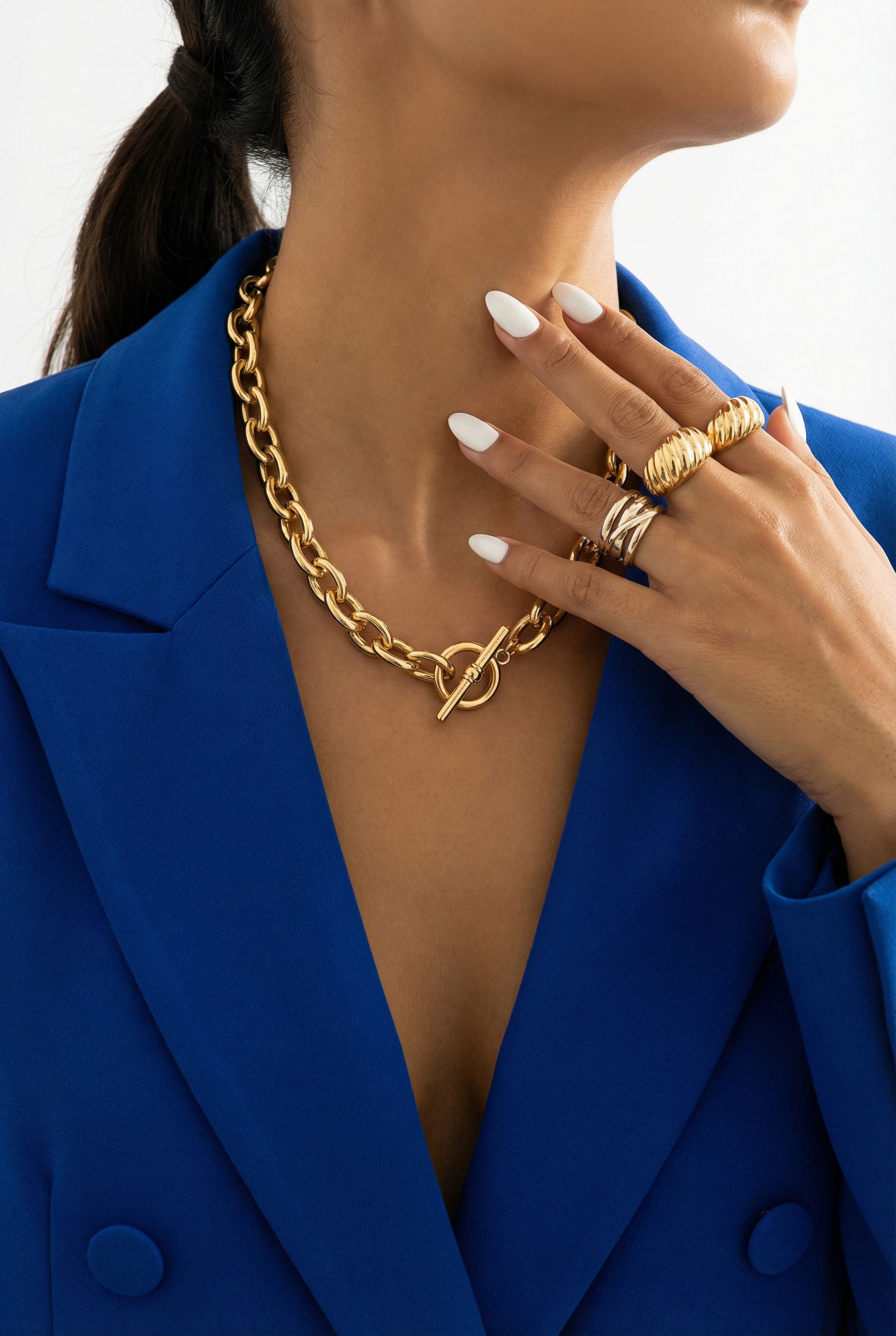
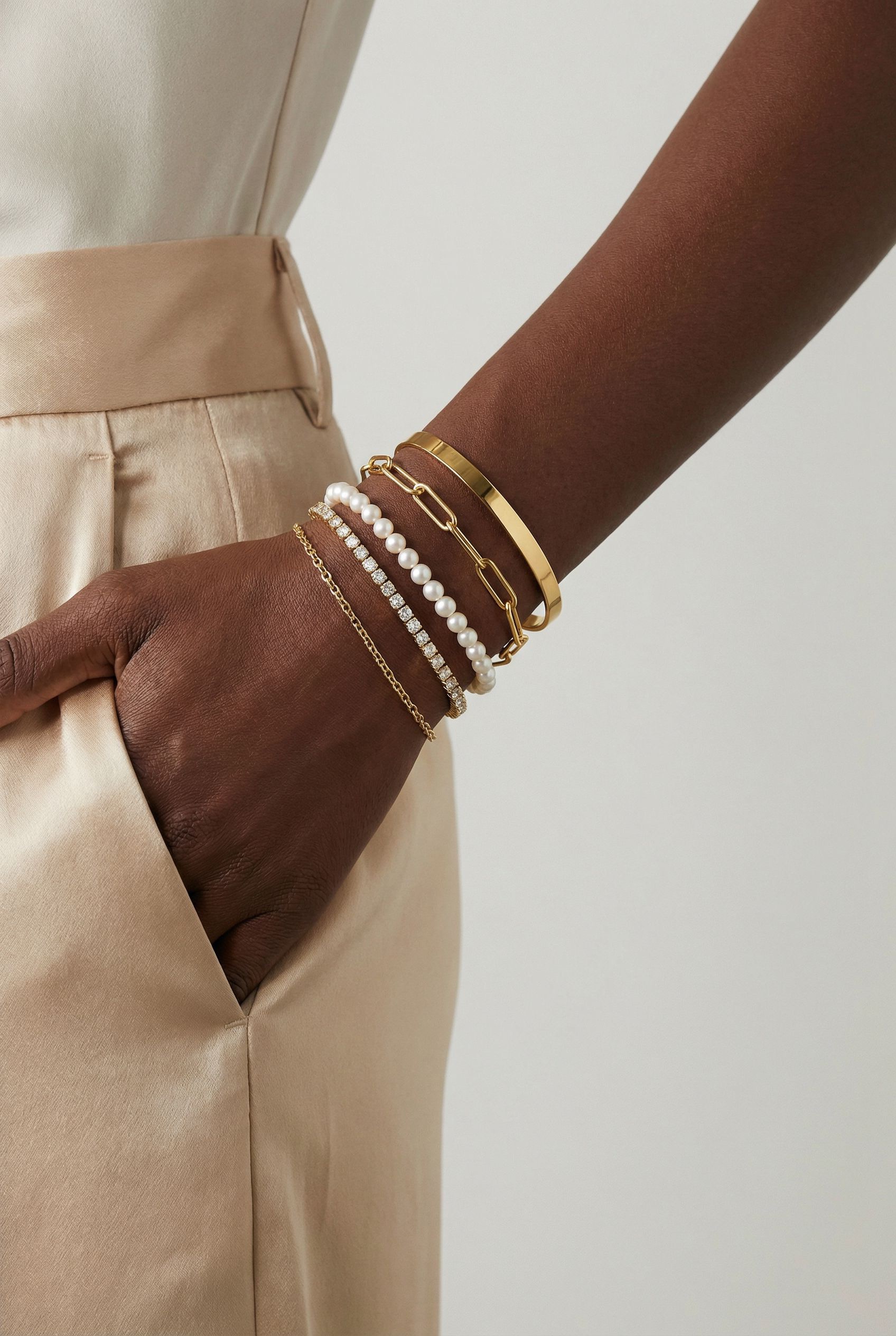
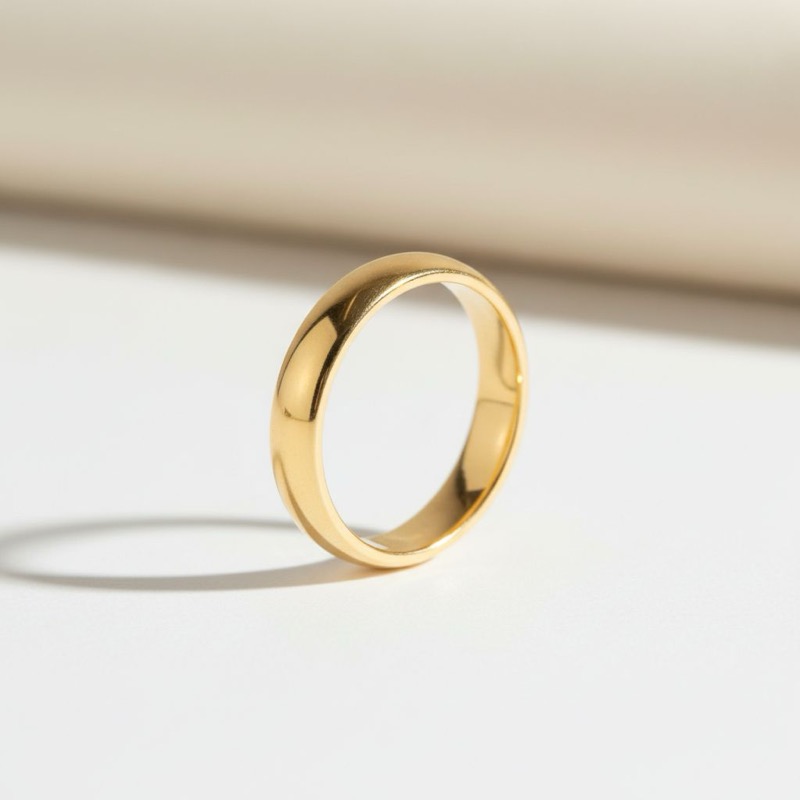
The piece’s live media set now spans the full range a product page needs: the main packshot, an on-model septum shot, an alternate wear shot, a macro of the setting, and a specs visual. One physical product, one reference set, a complete page.
Honest limits
This case documents our working method on our own product; it is a method demonstration, not a benchmark. Model versions move constantly, so we re-verify the chain on a current model pass before client work — the steps are the durable part, and the December 2025 evidence for why the chain is ordered this way is in Generate or Replace?
Where this leads
This is the thinking behind our Visuals work. If you want it applied to your shop, start where we start: the Jewelry Commerce Diagnostic is free — we analyze your shop, brand and market, and tell you what to fix first, in plain language.
Work with StudioFormel