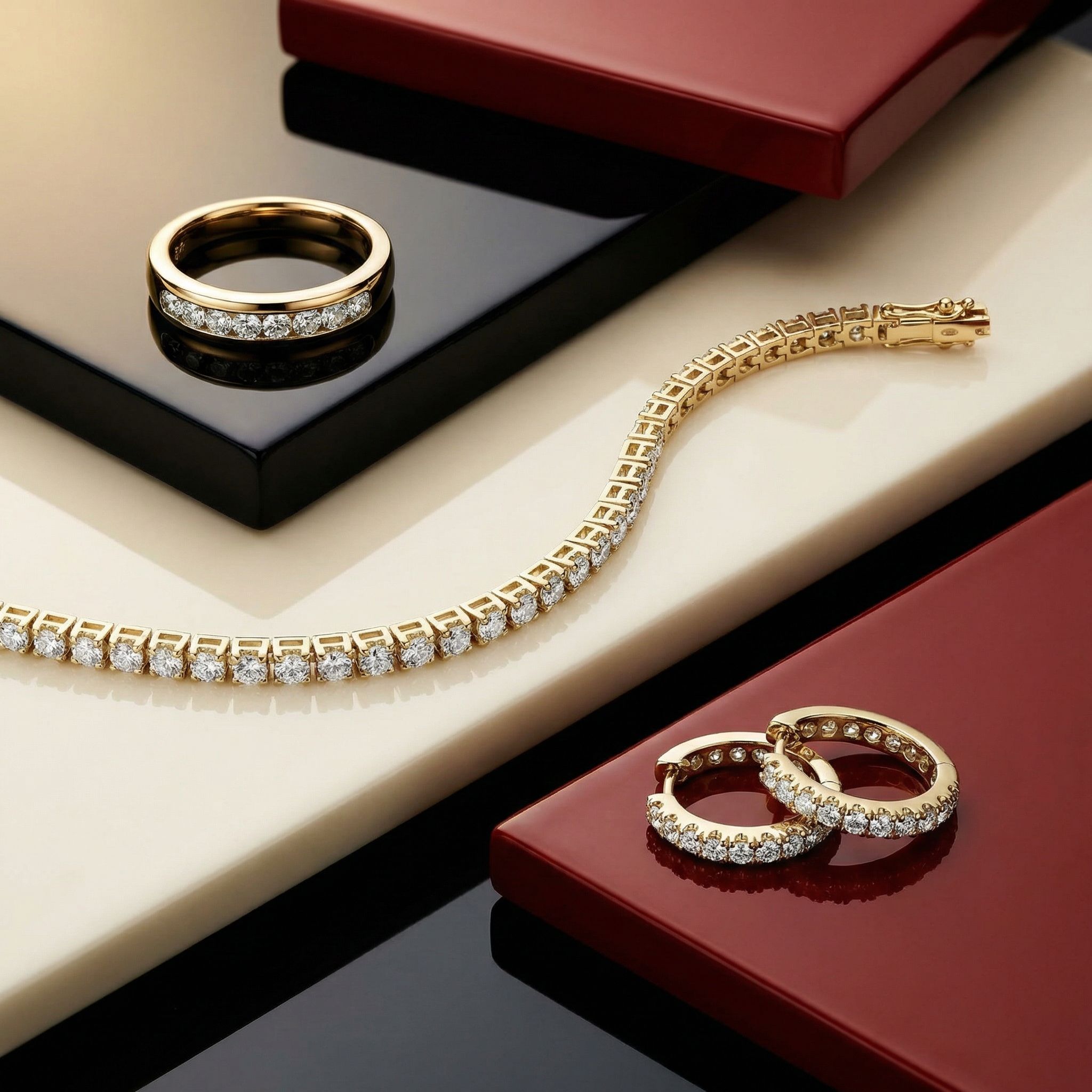
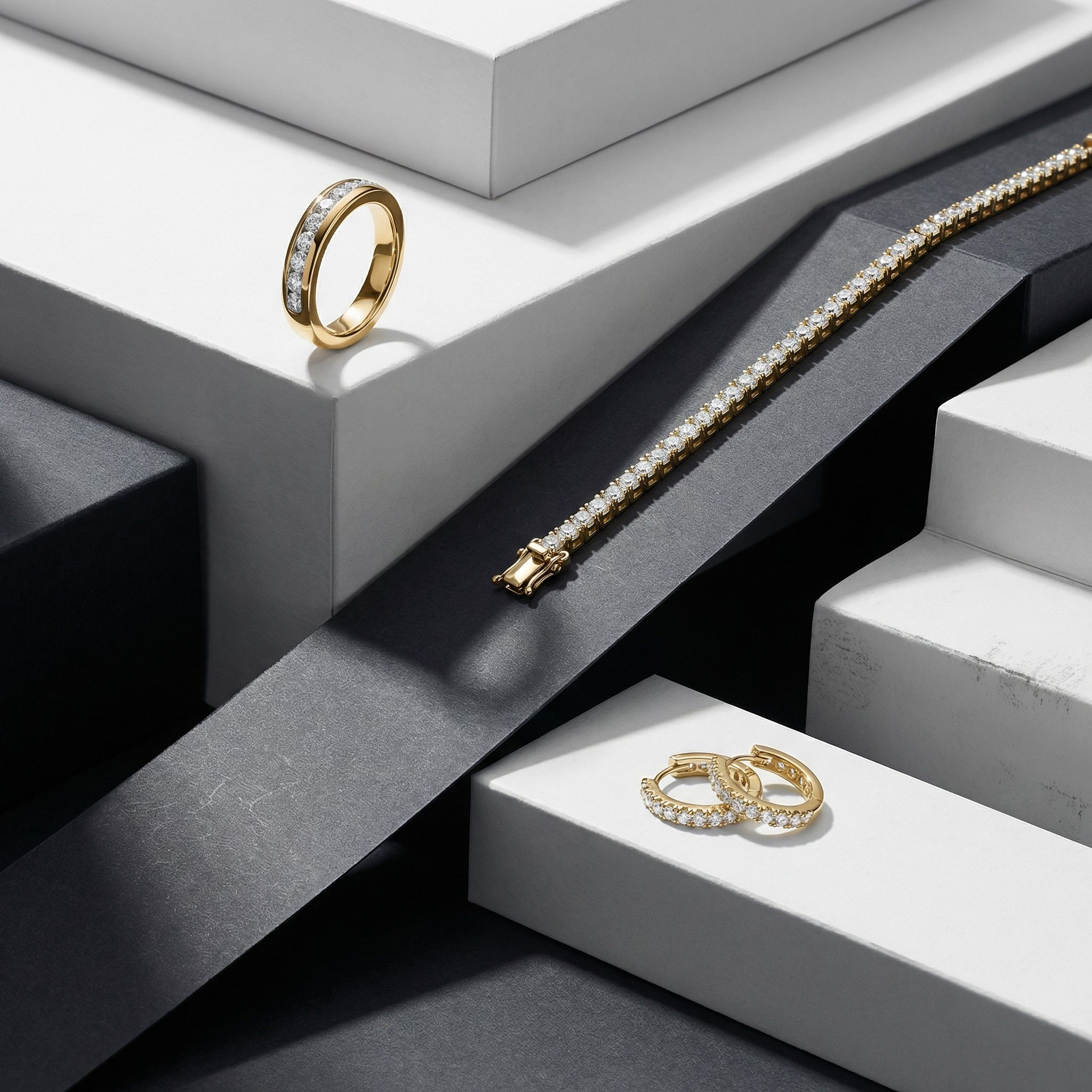
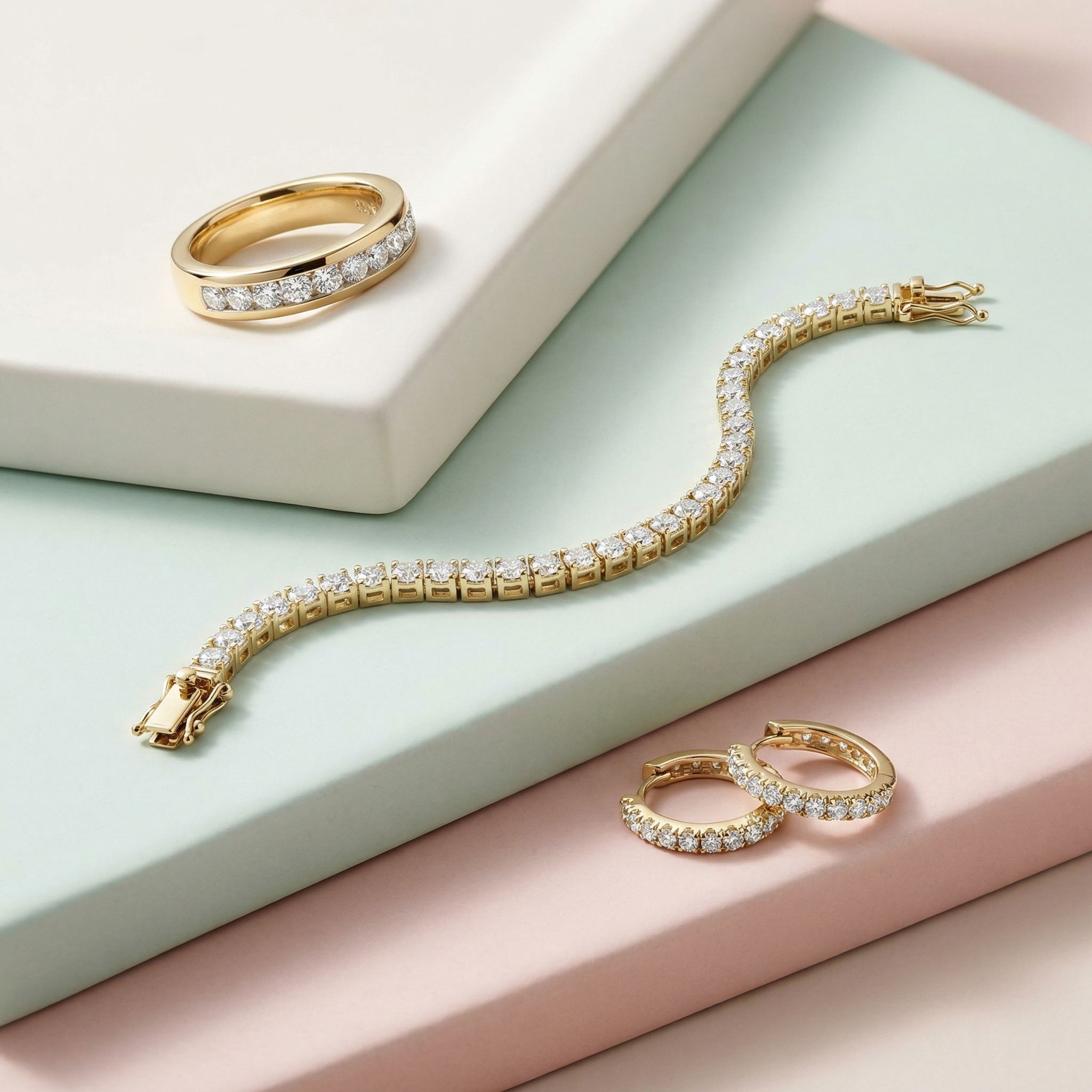


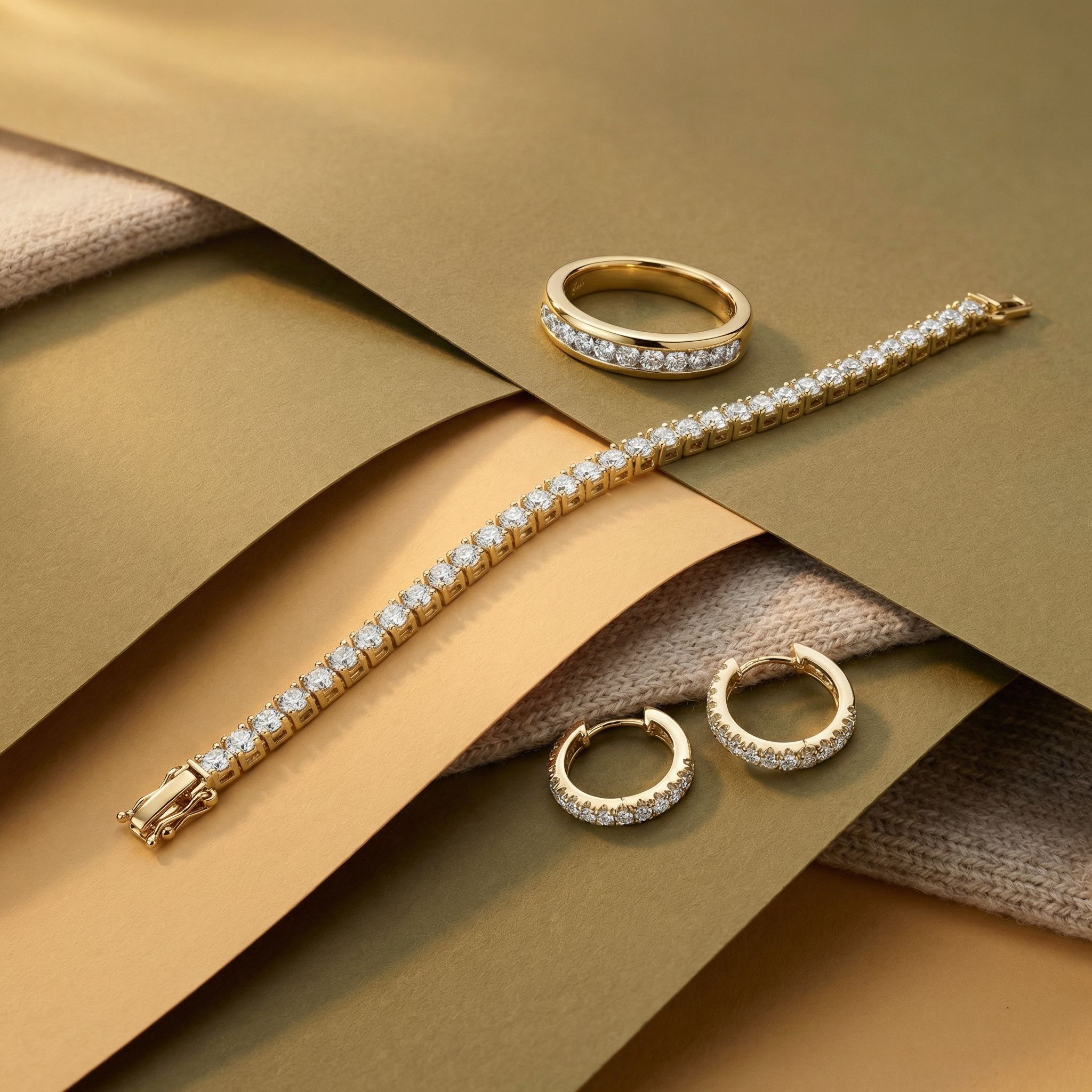











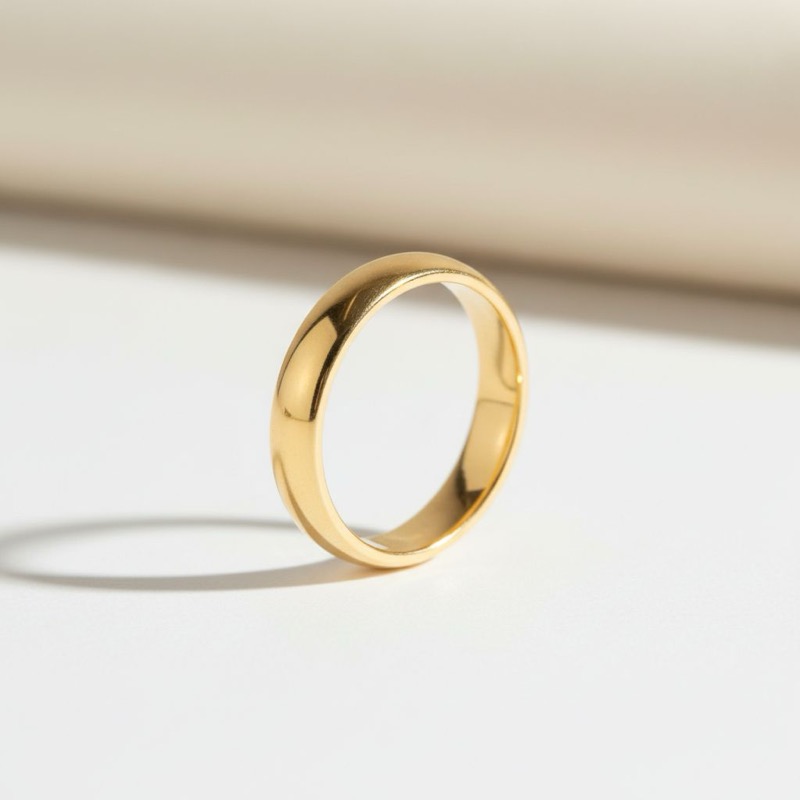

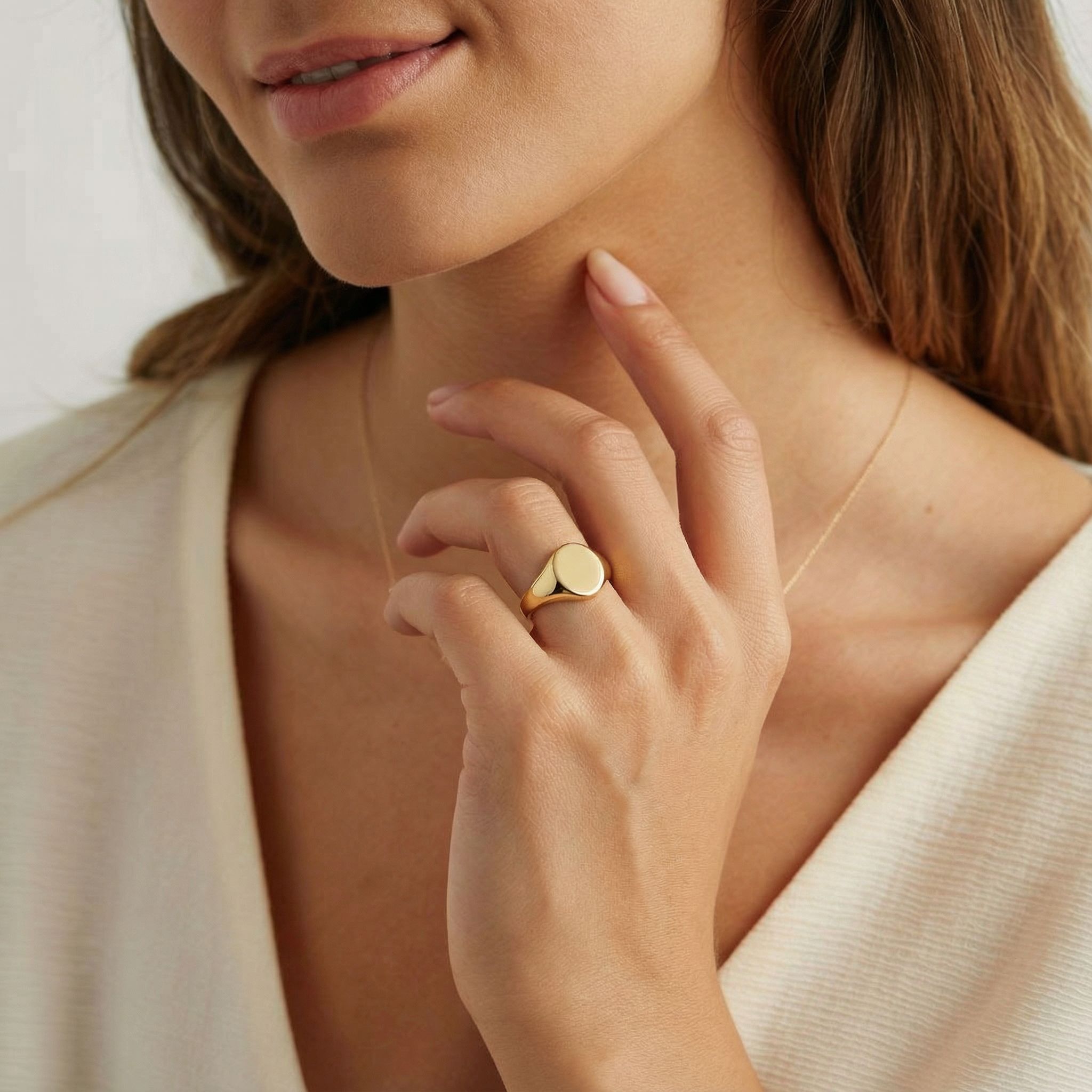
Replace First, Compose Second
Our production method for AI jewelry imagery: lock the product's truth first, then build the scene around it. Six steps, one approval logic.
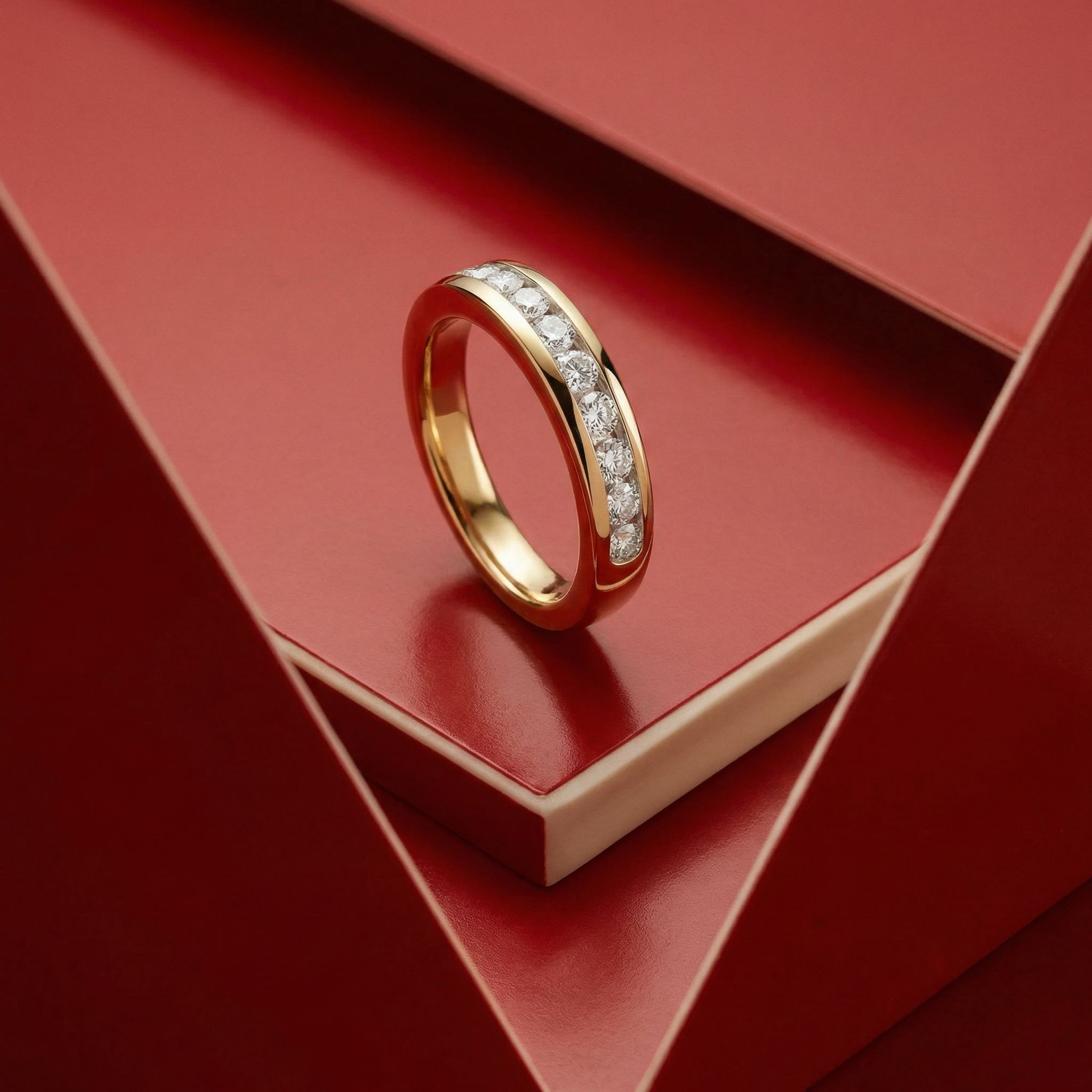
The most common way shops use AI imagery is also the way that fails most often: describe the dream scene, generate, and hope the product survives. The scene comes out beautiful. The jewelry comes out wrong — a prong added, a stone resized, a band thickened. For any product where detail is the product, that image is unusable.
Our method inverts the order. The scene is not the first thing we generate.
The principle
An AI image of your jewelry has two components with completely different error tolerance:
- The product — zero tolerance. Every prong, stone count and proportion must match the physical piece.
- The world around it — high tolerance. A wall can be any beige; a model can stand a hundred ways.
So we treat them as separate production problems. Product truth is established through replacement against reference photos. Atmosphere is built through generation, where being wrong is cheap.
The six steps
- Capture product truth. A small set of clean reference photos per piece — angles, details, true proportions. This is the source of truth everything else answers to.
- Prepare the placement. For worn jewelry, a placement guide: where an 8 mm piece sits on an ear or septum, at what scale, at what perspective. Prepared once per product type, reused forever.
- Build the base image. Generate or photograph the scene — model, light, environment — with a stand-in where the product will live.
- Replace exactly. Swap the stand-in for the real piece using the reference set. This step is graded only on fidelity: is this our product?
- Compose the brand layer. Crop, color, typography, seasonal skin — the layers that make the image belong to the brand rather than to a model’s default taste.
- Approve against the source. Side-by-side with the reference photos. If a detail drifted, the image dies here, not in a customer’s mailbox.
Why the order matters
Run the other way — scene first, product hoped-for — every failed detail costs a full regeneration of everything, and detail failures are the most common failure. Run replace-first, the expensive part (a scene worth keeping) is produced once and preserved, while iterations happen on the cheap, checkable part.
It also changes what “good enough” means. A scene is approved on taste. A product is approved on truth. Separating the two approvals keeps taste debates from smuggling accuracy errors into the catalog.
Where the evidence comes from
The workflow split is the practical consequence of our December 2025 study — Generate or Replace? — where generation and replacement had different winning tools by wide margins. And the method is not theoretical: the next piece in this chain documents it running on a real 8 mm product — The 8 mm Septum Ring Method.
Where this leads
This is the thinking behind our Visuals work. If you want it applied to your shop, start where we start: the Jewelry Commerce Diagnostic is free — we analyze your shop, brand and market, and tell you what to fix first, in plain language.
Work with StudioFormel