



















The Jewelry Shop Benchmark: What We Score on Product Pages, Shipping, Returns and Trust
The rubric we use to audit jewelry shops — the specific things that decide whether a visitor who likes the piece actually orders it.

Most jewelry shops don’t lose customers on the product. They lose them on everything wrapped around the product. When we audit a shop, we score four surfaces — and because we run our own store, every criterion has survived contact with real orders, real questions and real returns.
Product pages
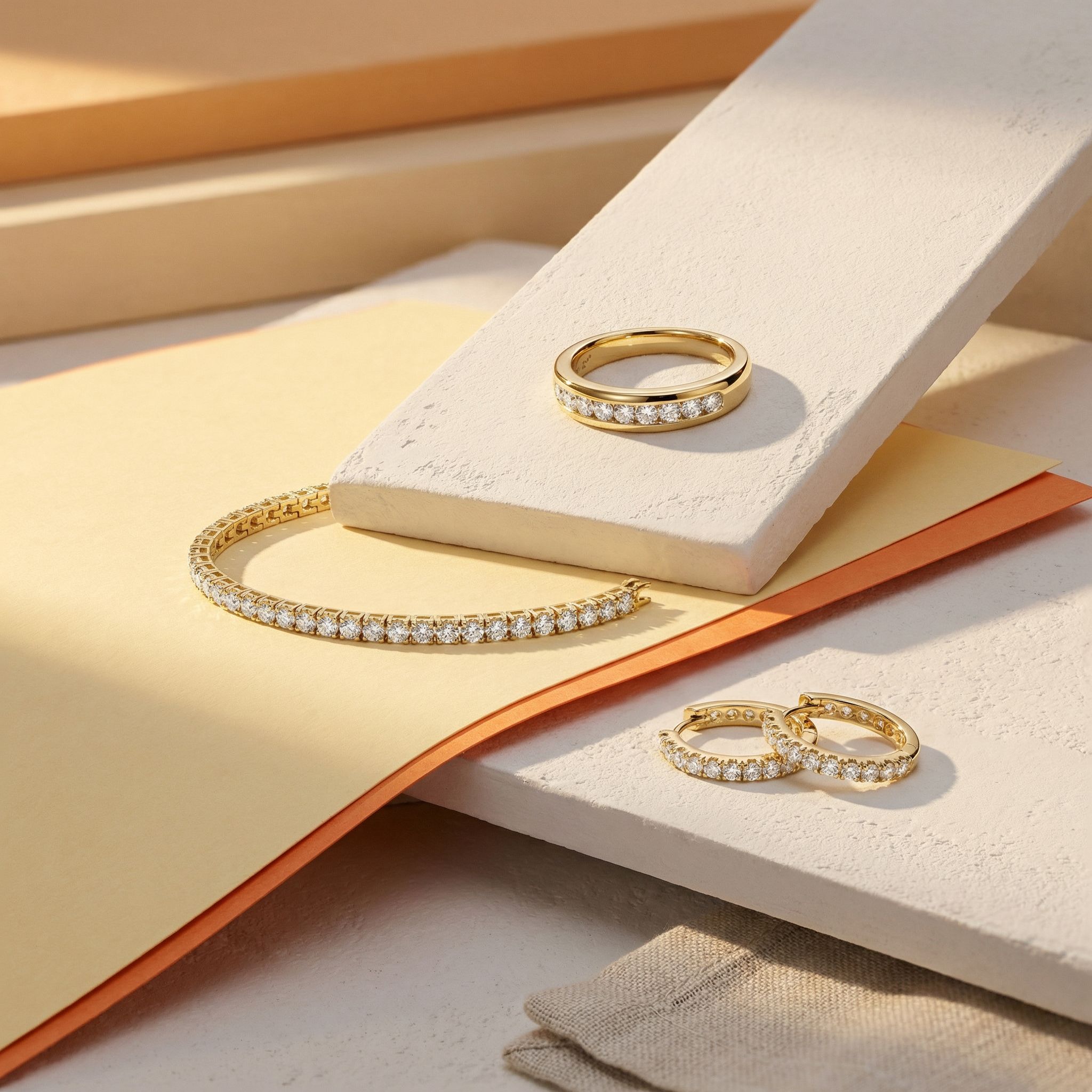
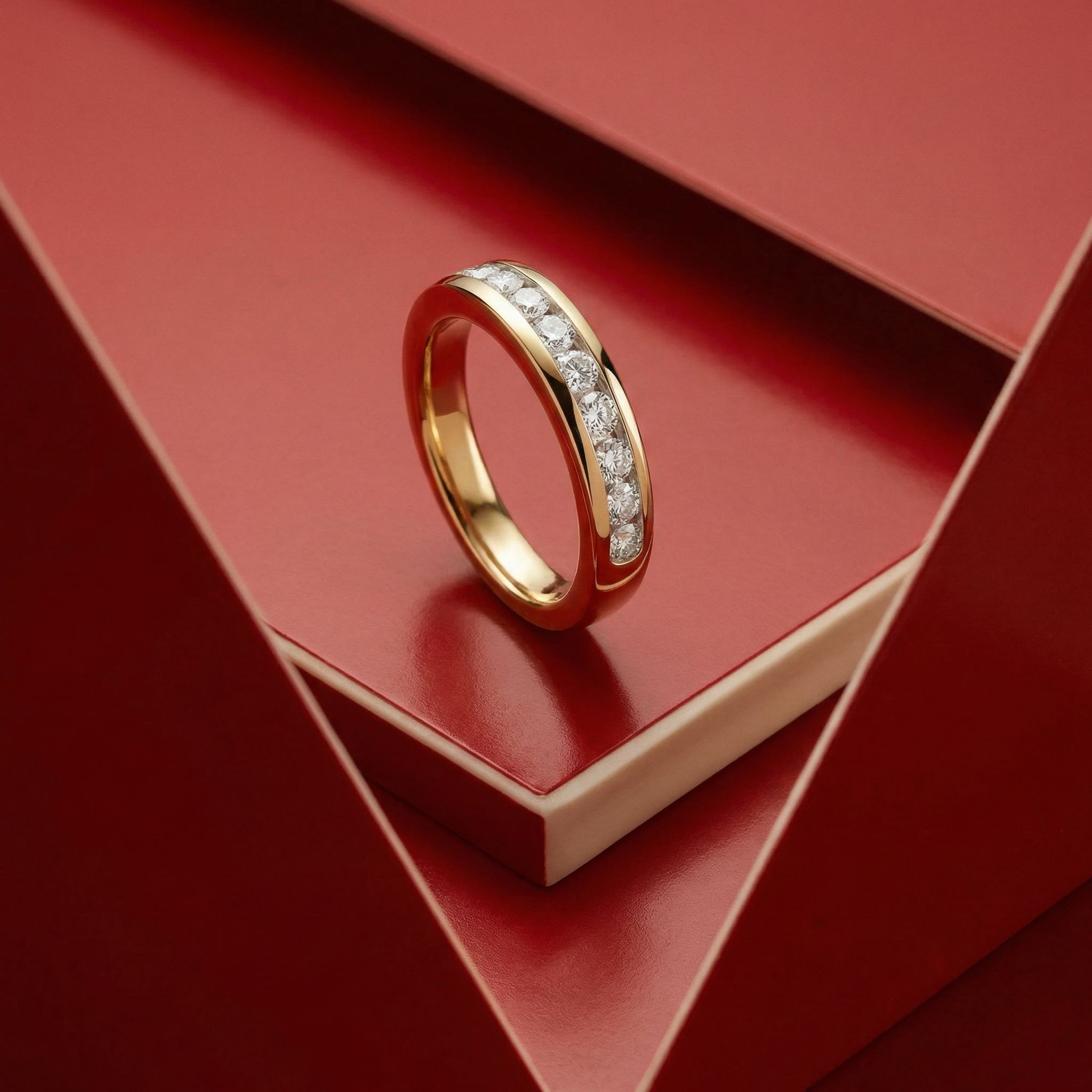
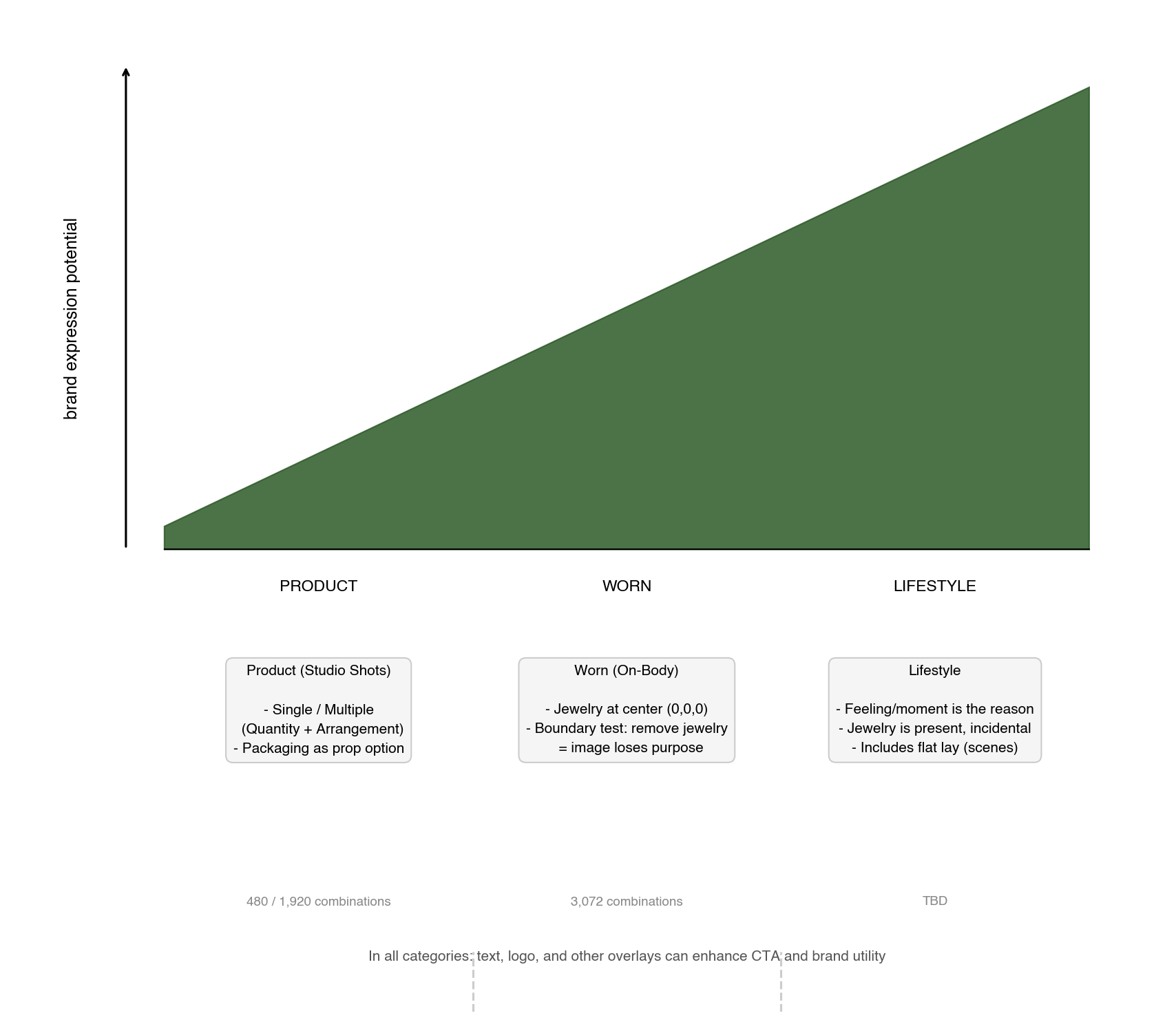
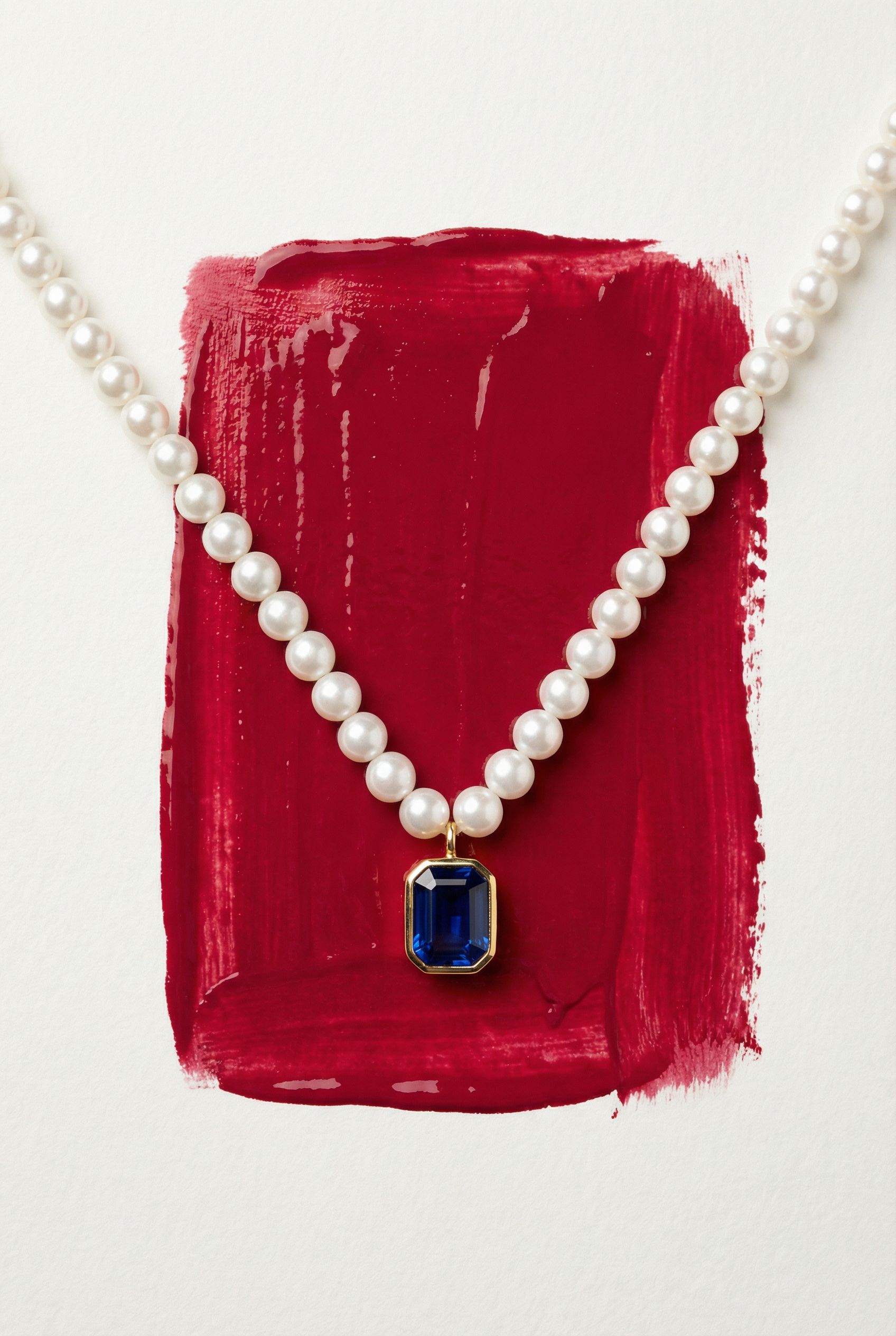
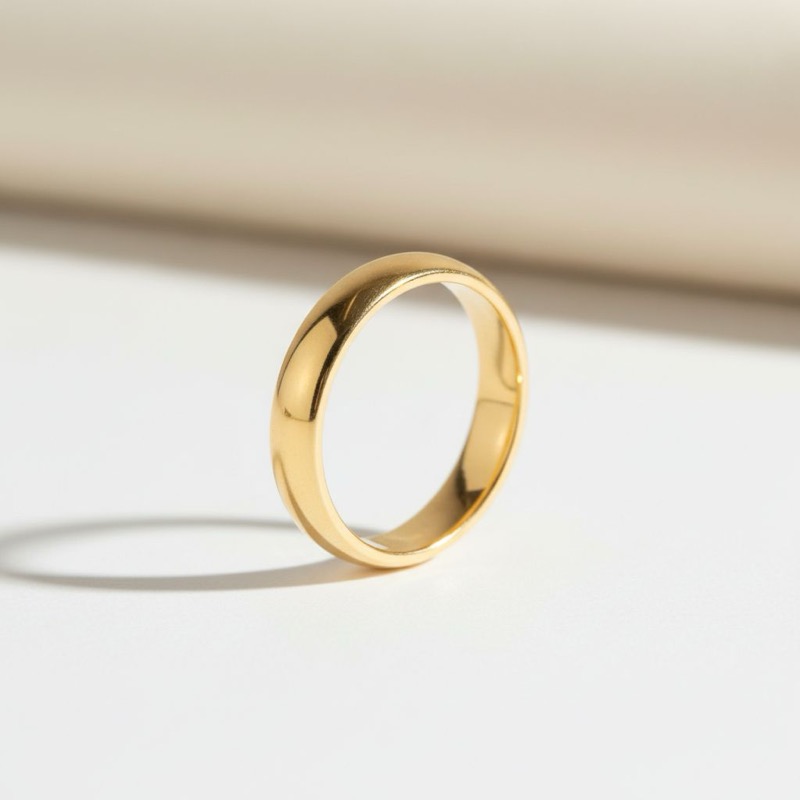
- Media completeness. The five-shot logic from our photography taxonomy: packshot, styled, on-model, detail, context. Most shops publish one kind; buyers use different shots to answer different doubts.
- Size truth. Jewelry’s most expensive ambiguity. Millimeters mean nothing to most buyers — scale needs a body: on-model shots, size comparisons, a specs visual.
- Material honesty. “Gold” without karat, plating thickness, or base metal is a returns generator and, in the EU, a legal risk.
- The first sentence. Above the fold, does the page answer what is this, exactly — or does it start with an adjective?
Shipping
- Cost and time visible before checkout, not discovered inside it.
- A believable dispatch promise (“ships in 1–2 days”) beats a vague fast one.
- Cross-border clarity: duties and taxes stated for the buyer’s country, not left as a surprise invoice.
Returns
- The policy findable from the product page in one click.
- Piercing jewelry has hygiene-based return restrictions in many markets — shops that state this clearly convert better, not worse; ambiguity reads as risk.
- The tone test: does the policy read like a defense document or like a shop that expects to be trusted?
Trust
- An imprint and a reachable human. In German-speaking markets this is law; everywhere it is conversion.
- Reviews where the doubt happens — on the product page, not exiled to a widget page.
- Price plausibility: a 14k piece priced like plated brass triggers suspicion in both directions.
- Consistent visual quality — one blurry photo poisons the credibility of the sharp ones.
How to use this
Walk your own shop as a first-time visitor with money and doubt. Score each surface honestly: would I hand this page my card? The pattern we see across audits: shops over-invest in the product and under-invest in the four surfaces above — which is good news, because these fixes are cheaper than new inventory.
Where this leads
This is the thinking behind our Audit work. If you want it applied to your shop, start where we start: the Jewelry Commerce Diagnostic is free — we analyze your shop, brand and market, and tell you what to fix first, in plain language.
Work with StudioFormel